Exterior Cleaning in St Kilda
Four in five dwellings here are apartments, so most of the work is common property: entry glazing, balconies and facades. Insured crew, photos every job.
- $20M public liability insurance
- Police-checked, WorkSafe compliant
- 5.0 from 170 Google reviews
- Not happy with the work? You don't pay
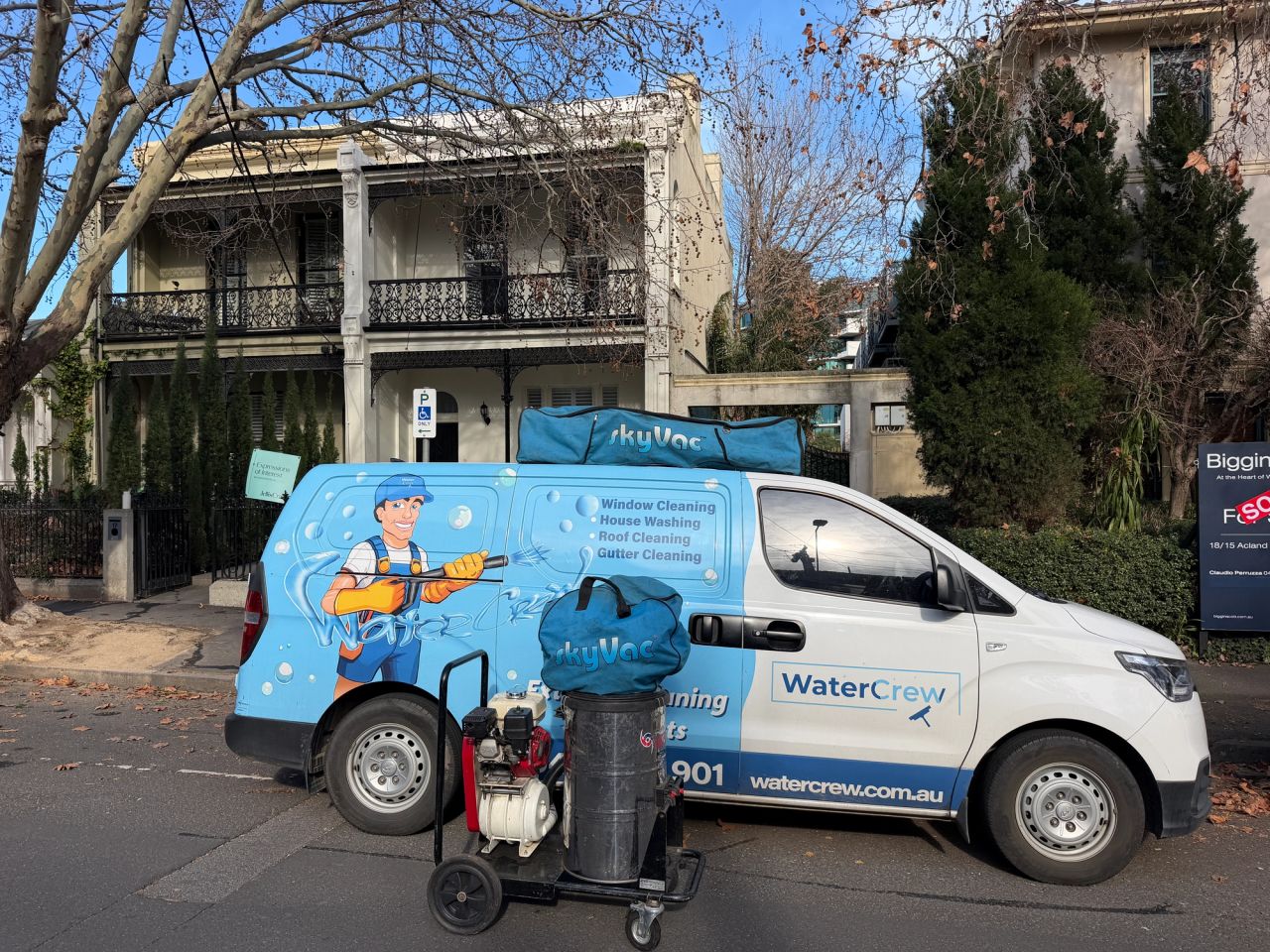
St Kilda isn't a suburb of houses. Four in five dwellings here are apartments, and the person who decides a facade gets washed is usually an owners corporation manager or a managing agent, not whoever lives behind the glass.
Two things drive the work. Salt off the bay, which lands on glazing, powder-coated frames and balcony balustrades and doesn't wash off. And a building stock running from 1885 brick to interwar render to last decade's aluminium, often in one street — so a single method across a whole block is the quickest way to damage half of it.
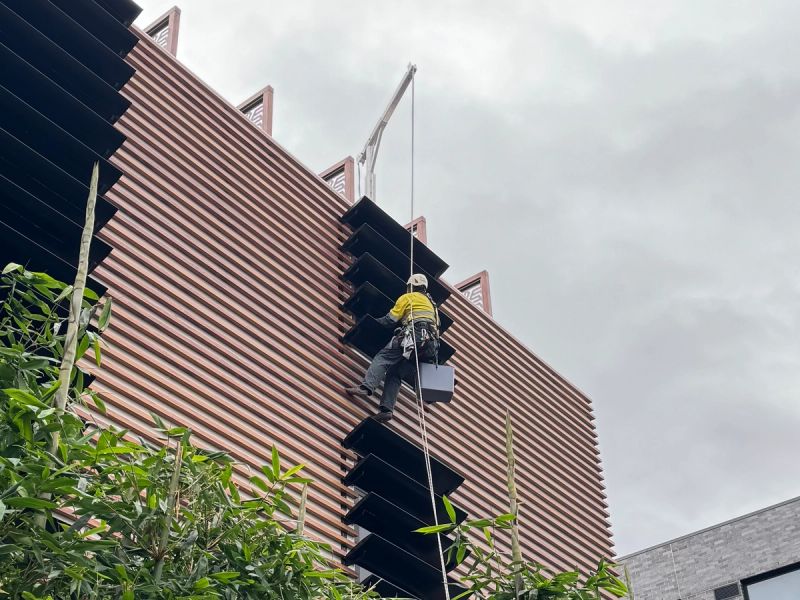
What salt does to balcony glass and frames
Salt isn't dirt. It's an electrolyte, it doesn't rinse away in the rain, and it keeps working on glass, powder-coated frames, stainless fittings and the balustrades running the length of every balcony.
AS 4312, the Australian standard for atmospheric corrosion, rates the strip within roughly 50 metres of a sheltered bay as high, and the rest of the suburb a band below. St Kilda sits along the water for its full length, so a block on the foreshore and a block four streets back are on different schedules, whatever the architecture.
Balustrades are the item that gets left. Glass near salt water etches, and once it has, washing stops fixing it — the panel reads cloudy in flat light however clean it is. Catching that early is a maintenance line. Replacing the glazing is a capital one.
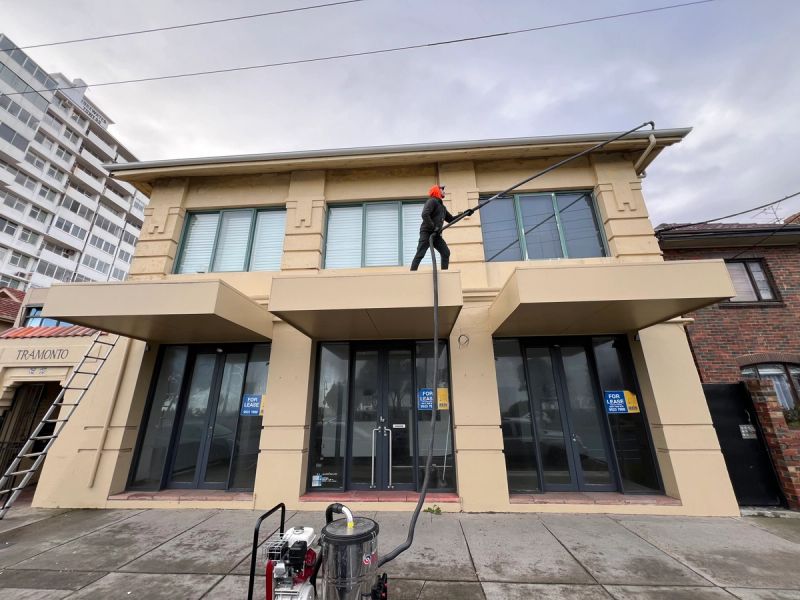
One street, five surfaces, five decades
St Kilda densified early. Mansions became boarding houses in the early 1900s, the first purpose-built flats went up before the First World War, and the Moderne blocks followed in the thirties — The Royal on Robe Street dates to 1933.
What's left is a street with 1885 brick beside interwar render, terrazzo entries, original steel window frames and powder-coated aluminium from the last renovation. Render and terrazzo lift under pressure and alkaline chemistry. Aggressive chemistry on original steel takes what's left of the coating and starts corrosion where the frame meets the glass.
So the walk-around comes before the quote, not after. What each surface will take decides the method, and on a mixed block that can mean three methods on one elevation.
Services we run in St Kilda
Six directions we cover across the area. Each one links through to the full service.
Gutter cleaning
Vacuumed, downpipes flushed and flow-tested, photo report the same day.
See detailsSolar panel cleaning
Panels washed with demineralised water, frames included, output stops dropping off.
See detailsRoof cleaning
Terracotta and Colorbond, moss and lichen treated to slow regrowth.
See detailsWindow cleaning
Glass, frames and tracks, inside and out, streak-free on the dry check.
See detailsPressure cleaning
Driveways, paving and concrete brought back without scarring the surface.
See detailsSoft washing
Render, cladding and painted surfaces washed at low pressure.
See detailsJobs we've finished in St Kilda
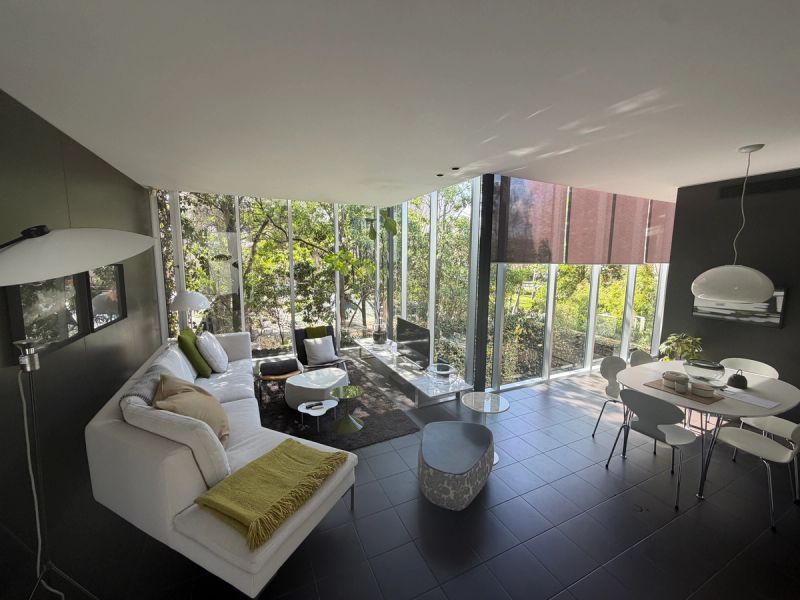 Window cleaning
A modern home on Crimea Street, St Kilda, with floor-to-ceiling glass throughout. The glazing was cleaned inside and out in a single visit.
Read case study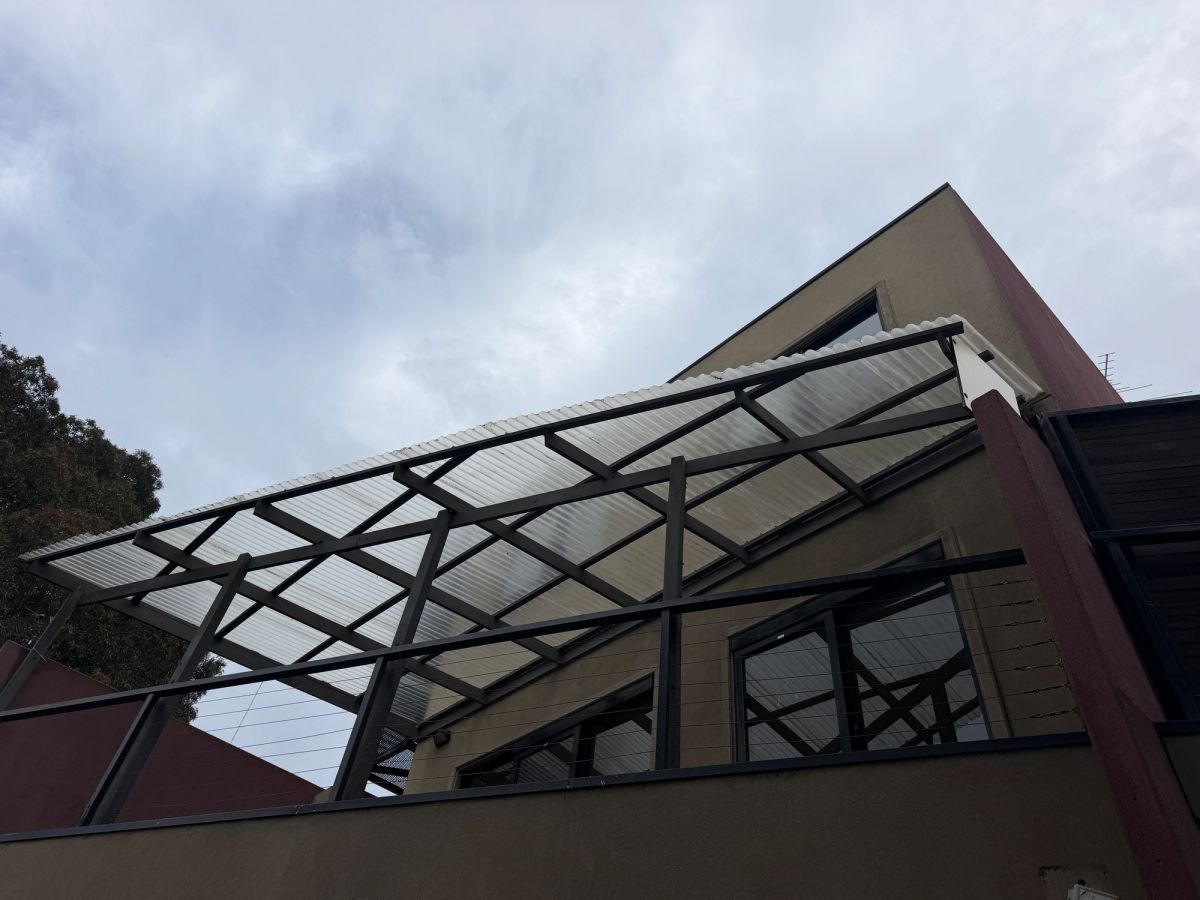
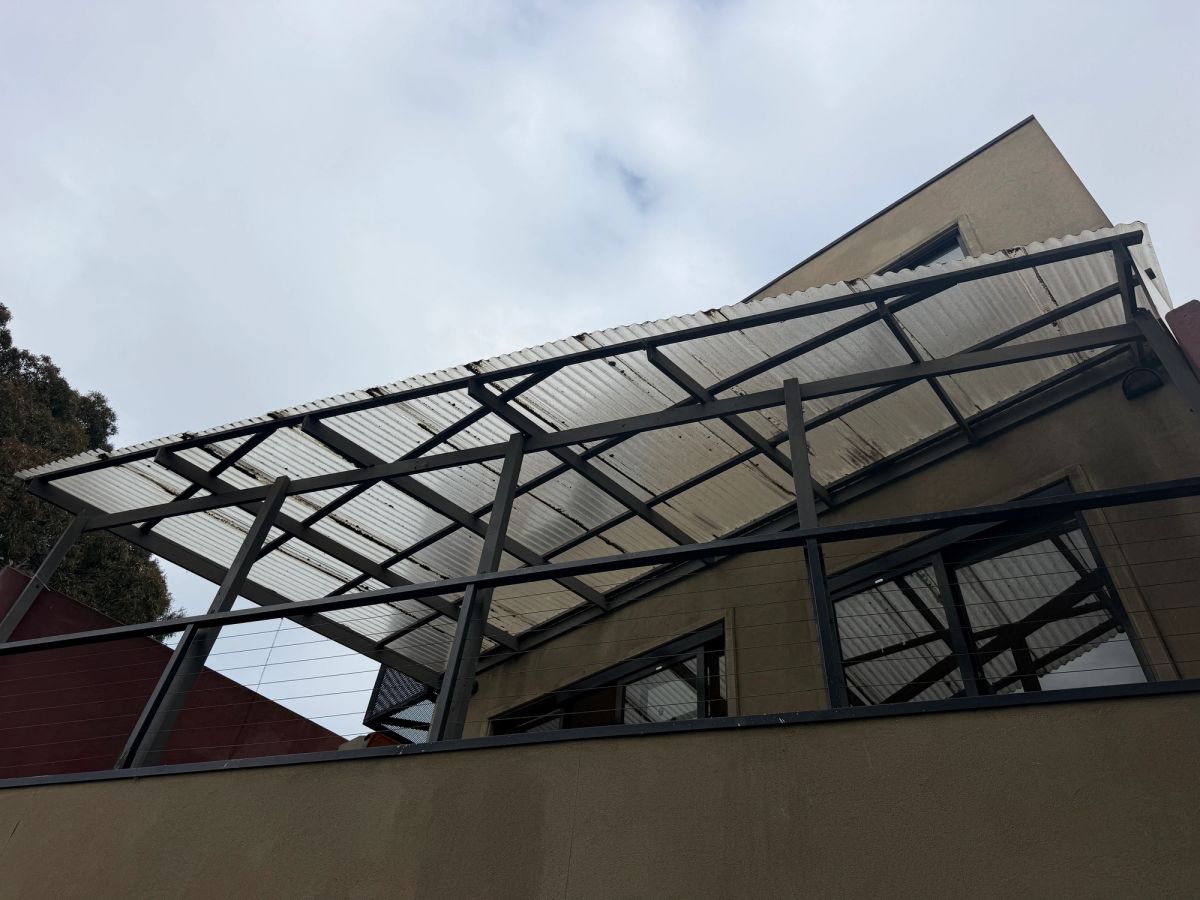
A multi-storey townhouse on St Kilda Road, cleaned top to bottom in a single visit. Rope access was used for the polycarbonate roof, the upper render and the windows.
Read case study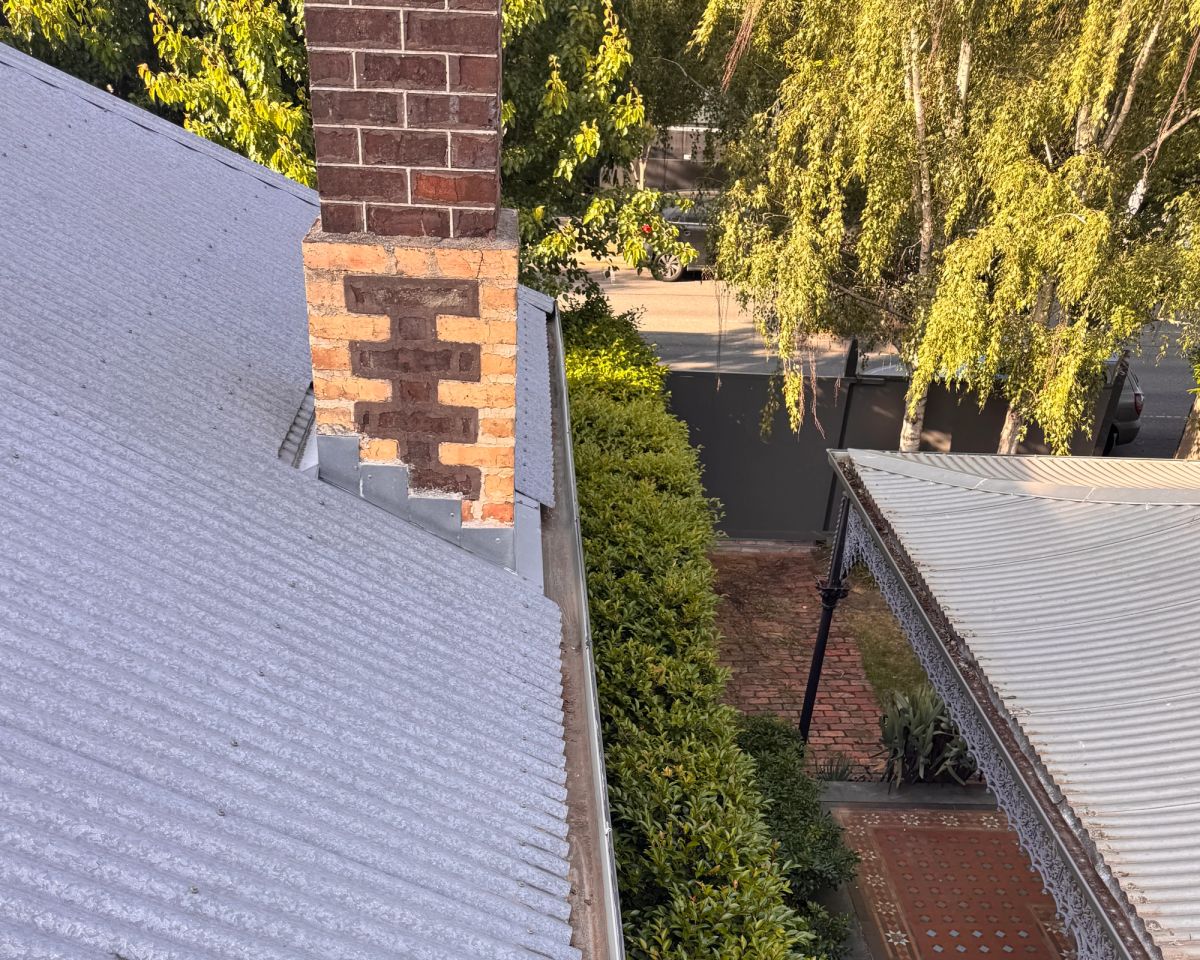
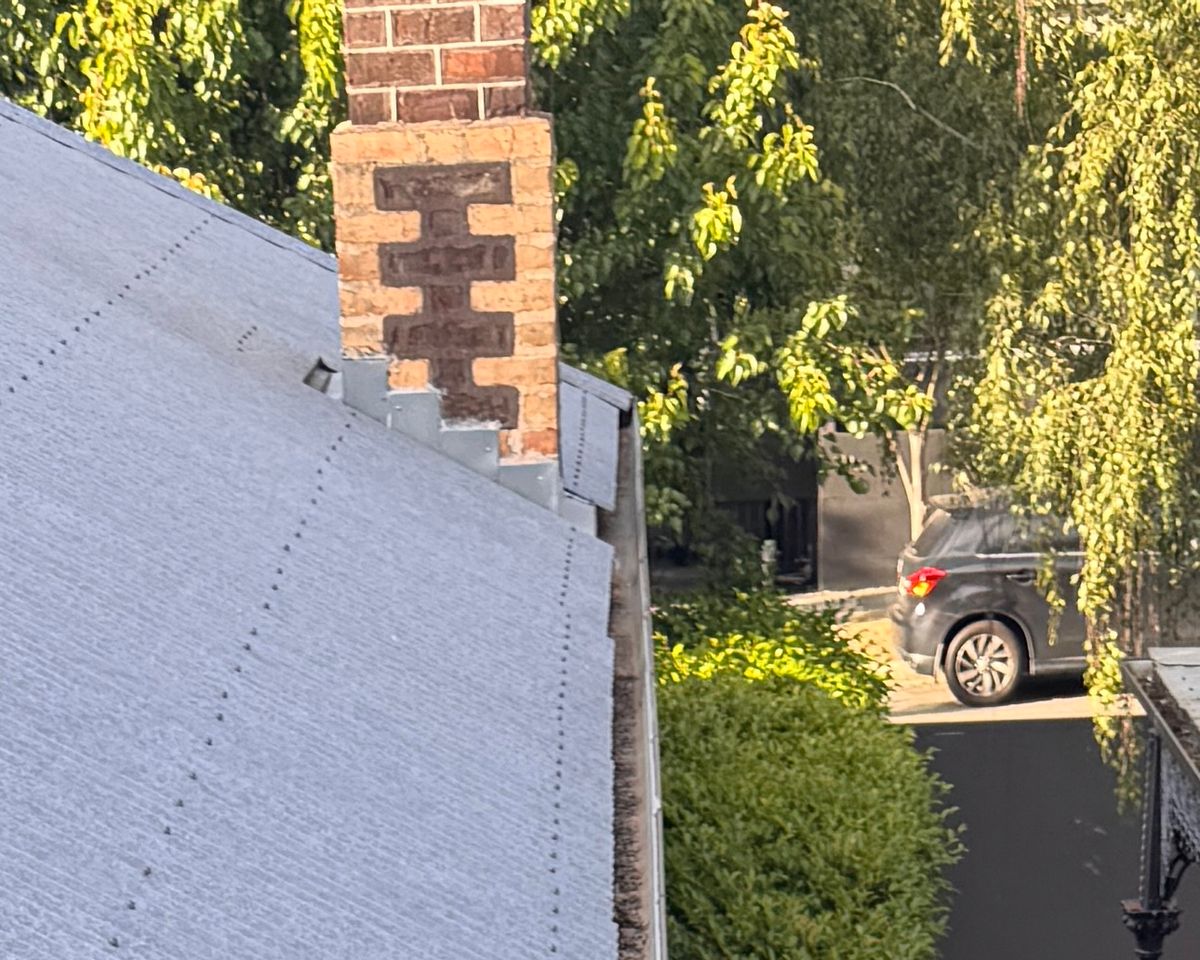
A single-storey home in St Kilda with 54 metres of Colorbond guttering that had filled with leaves and seed pods until almost no channel was left for water.
Read case studyQuestions we get from building managers
Who books this, the owners corporation or a resident?+
The owners corporation, for anything on common property: entry glazing, facades, balconies and balustrades. A resident books inside their own lot. Nobody books a facade on their own.
Do residents need to be home?+
No. Common property glazing and balustrades are reached from outside, on poles or on rope, so the schedule doesn't depend on getting into individual lots.
Council removes graffiti. Why call a contractor?+
Port Phillip does, within ten working days, on homes, commercial buildings and its own assets. It won't go above three metres, won't touch vacant buildings, and won't work on assets it doesn't own. That covers most of what sits above a shopfront.
Is the leaf load getting worse?+
It's set to. Canopy across Port Phillip was 17.17 per cent in 2022, down from 17.86 in 2012, and the 2024 strategy targets 30 per cent on streets by 2040. Over half the municipality is private land, which the strategy names as the constraint.
Our building is in a heritage overlay. What changes?+
The grading does. Port Phillip's Heritage Review marks places significant, contributory or non-contributory, and anything on the Victorian Heritage Register needs a permit before the surface is touched.
Nearby suburbs we cover
Rated by Melbourne
St Kilda jobs are posted to our Google profile with before-and-after photos as they finish.