Exterior Cleaning in Balaclava
No coast on any side, so the load here is growth rather than salt. Roofs, gutters, timber and Carlisle Street shopfronts, photos every job.
- $20M public liability insurance
- Police-checked, WorkSafe compliant
- 5.0 from 170 Google reviews
- Not happy with the work? You don't pay

Balaclava sits seven kilometres from town, along the railway line, with no coast on any side. That last part changes the work more than people expect: there's no salt here, and the dirt that does the damage is the slow kind — moss, lichen and biofilm on anything that stays shaded.
The housing splits two ways. Nearly four in ten dwellings sit on the ground, mostly small weatherboard houses and terraces, and the rest is flats. Above the shopfronts on Carlisle Street is a third thing again: Victorian commercial fronts with decoration that predates every cleaning method now in use.
What sits on a Victorian parapet
The parapet on a Victorian shopfront is not one piece of wall. The urns, the mouldings and the raised centre are separate render components fixed to the brickwork, and a good number of them are held by metal that was never meant to see daylight.
Pressure finds those joints first. A jet strong enough to shift a century of grime will take a corner off a moulding. Once the render is open, the fixing inside rusts and lifts the piece from behind. The damage shows up a year later, and by then nobody connects it to the wash.
There's an order to it as well. A decorated front gets cleaned from the parapet down, at low pressure, with the run-off controlled — otherwise everything off the top lands on the glass below, and the shopfront gets done twice.
Growth, timber and the rail corridor
Without sea air the problem here is organic. Shaded weatherboard, the south side of a roof, the strip of path that never dries — that's where moss and lichen hold, and they come back on a schedule rather than after a storm.
Weatherboard sets the method. High pressure drives water behind the boards and lifts the grain, and on anything painted before the late seventies the older layers are a separate question again. Soft washing isn't the premium option on timber, it's the only correct one.
The rail corridor adds its own layer. Streets that back onto the Sandringham line carry more airborne grit than the ones a block in, and it settles on the front of the house rather than rinsing off. Two identical cottages on the same street can end up on different intervals.
Services we run in Balaclava
The work we take on around Balaclava. Each card opens the full service page.
Gutter cleaning
Vacuumed, downpipes flushed and flow-tested, photo report the same day.
See detailsSolar panel cleaning
Panels washed with demineralised water, frames included, output stops dropping off.
See detailsRoof cleaning
Terracotta and Colorbond, moss and lichen treated to slow regrowth.
See detailsWindow cleaning
Glass, frames and tracks, inside and out, streak-free on the dry check.
See detailsPressure cleaning
Driveways, paving and concrete brought back without scarring the surface.
See detailsSoft washing
Render, cladding and painted surfaces washed at low pressure.
See detailsJobs we've finished in Balaclava
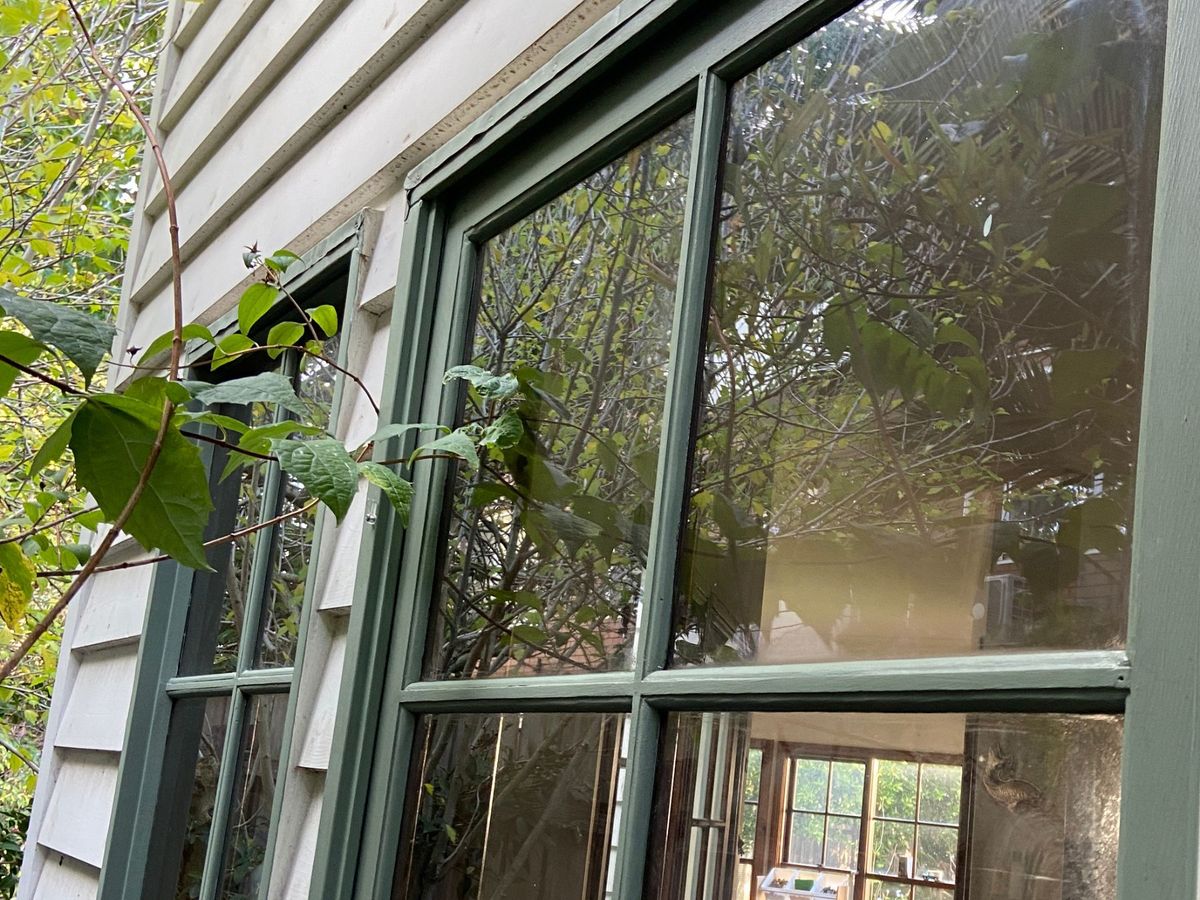
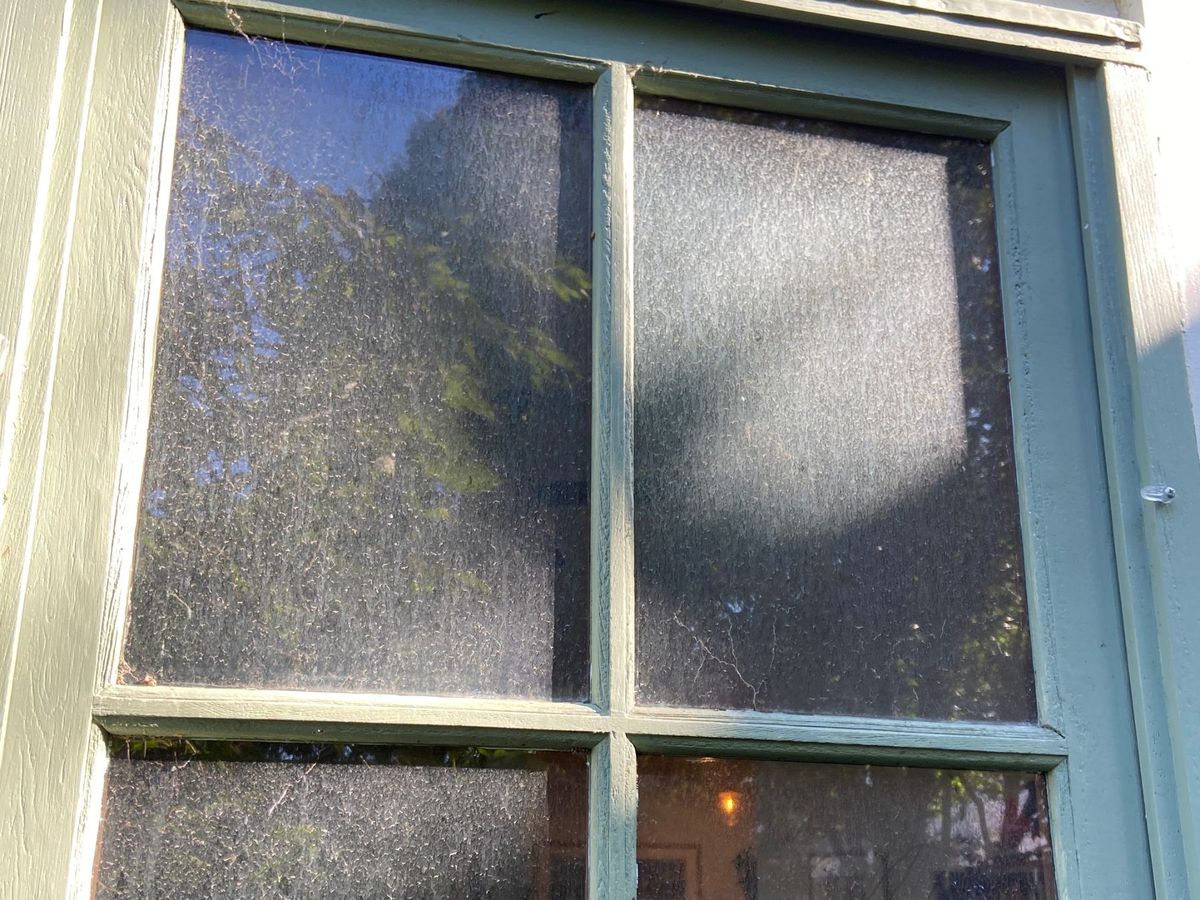
Gutters and windows on Blenheim Street, Balaclava, in one visit in mid-May. Four and a quarter hours on site for one technician.
Read case study Solar panels
Solar panel cleaning on Grosvenor Street in Balaclava. The array on this single-storey terracotta tile home was heavily overgrown with moss.
Read case study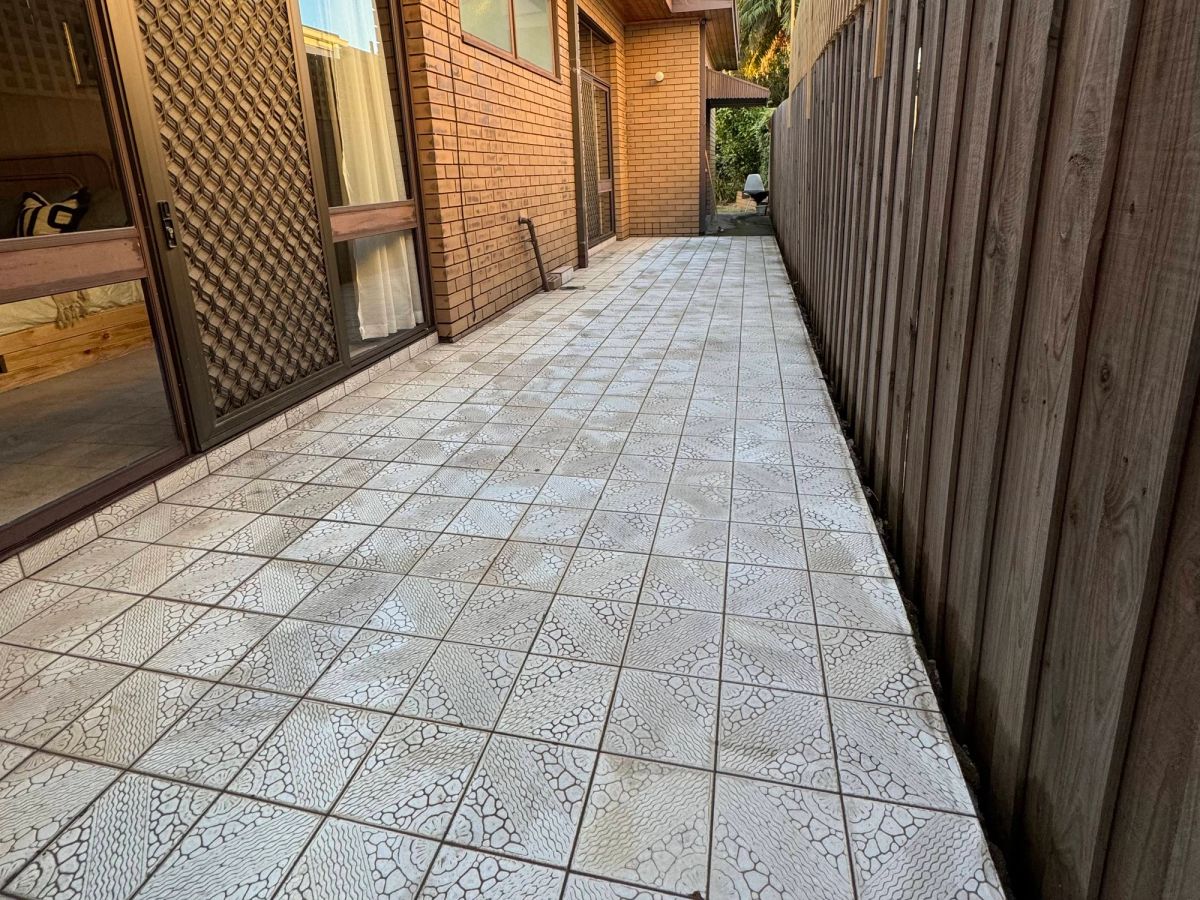
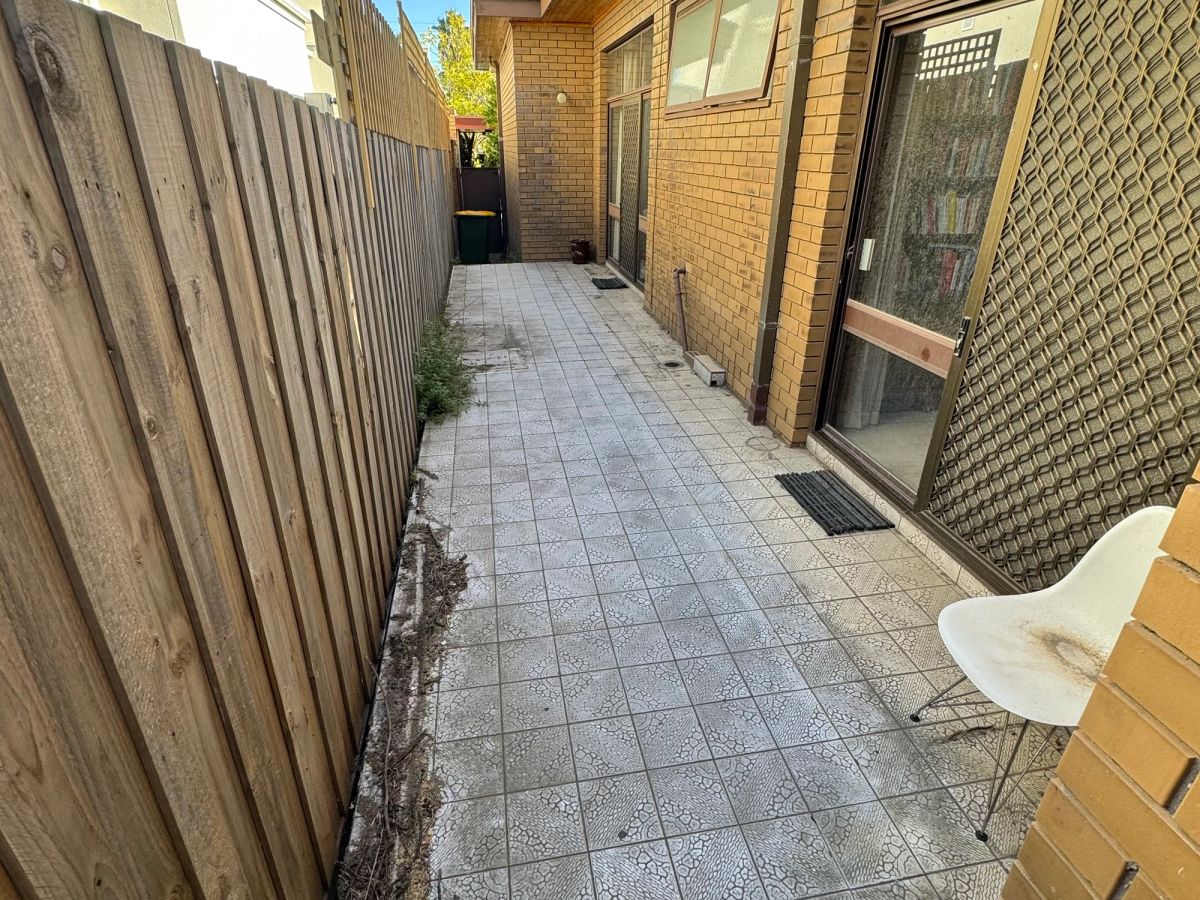
Backyard paving on Alston Grove that had gone years without a clean. The surface had darkened to the point where the original colour of the tile was no longer visible.
Read case studyQuestions we get from owners and agents
Balaclava or St Kilda East — which one am I in?+
Balaclava sits entirely inside the City of Port Phillip, so one council covers the heritage controls, the graffiti service and the planning questions. St Kilda East next door is split between two, which is why the same question can get different answers on Carlisle Street depending on the side you're standing on.
Do I need a permit to repaint the outside?+
In Balaclava, most likely. External paint controls apply across all of the heritage precincts here, without the carve-out that exists a suburb away in Elwood. Cleaning is a different matter: it restores the surface without changing the coating, which is worth knowing before you plan a colour.
Is there salt damage here like there is in St Kilda?+
No. Balaclava has no coastline, so the corrosion that eats powder coating and glazing near the water isn't the issue. What you get instead is growth: moss, lichen and biofilm anywhere that holds damp.
Is that soot on the front of the house from the trains?+
Partly. Streets backing onto the line collect more airborne grit than the ones further in, and it sits on the render rather than rinsing off. It comes away with a normal wash, but it comes back faster than it would deeper into the block.
We rent the place out. Who arranges the clean?+
Whoever manages the property, in most cases. Agencies book turnover work directly and we report back the same way we would to an owner, with photos on the day, so nothing depends on the tenant being home.
Nearby suburbs we cover
Rated by Melbourne
Balaclava jobs are posted to our Google profile with before-and-after photos as they finish.