Exterior Cleaning in Ripponlea
The smallest suburb we work in, and the one with seven hectares of mature garden on its boundary. Insured crew, photos on every job.
- $20M public liability insurance
- Police-checked, WorkSafe compliant
- 5.0 from 170 Google reviews
- Not happy with the work? You don't pay
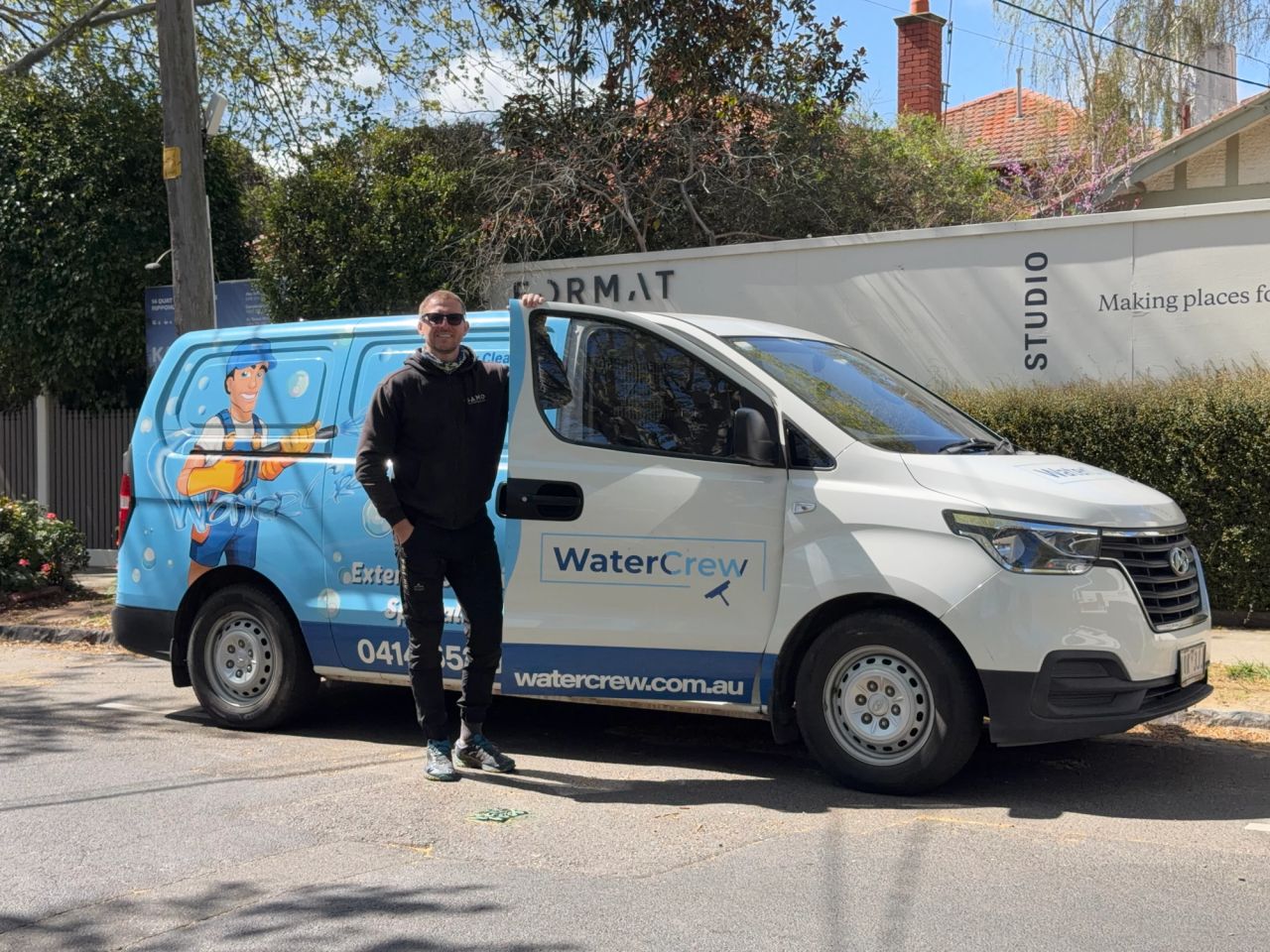
Ripponlea is a triangle of about a third of a square kilometre, boxed in by Nepean Highway, Hotham Street and Glen Eira Road, with around fifteen hundred people living in it. It's the smallest place we work, and in a suburb this size one job on a street is seen by everyone on it.
There's no coast here, so nothing arrives on the wind off the water. What arrives comes off the trees: seven hectares of mature garden sit right on the boundary, and the suburb collects the leaf, the seed and the sap that go with them.
What a tree drops that water won't lift
Tree sap isn't a dirt problem, and that catches people out. It doesn't dissolve in water, so pressure and ordinary detergent travel around it rather than through it — paving cleaning brings the surface up everywhere except the amber patches, which look exactly as they did before.
Timing is most of the difficulty. Fresh sap is sticky and lifts with the right solvent; the same drop after a fortnight of sun has hardened into something closer to varnish, bonded into the surface rather than sitting on it.
The Allison Road job on this page was that, in a back garden under a resin-dropping tree. It's the sort of thing worth catching in the season it lands rather than the summer after, and it's common enough here that it's worth knowing what you're looking at.
The estate that isn't in the suburb
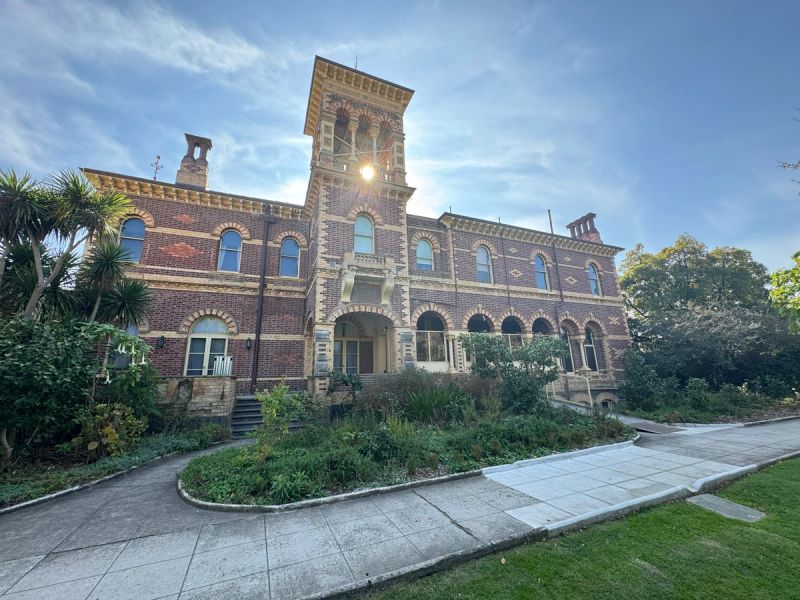
The suburb is named after Rippon Lea, and the house itself stands next door in Elsternwick rather than here. What's here is the land it used to sit on: after Frederick Sargood died in 1903 part of the estate was subdivided, and those lots became the streets.
That date explains the housing. The blocks were sold and built through the late Victorian and Edwardian years, so the stock is consistent in a way newer suburbs aren't. Same era of brick, same render, same window sizes down a whole street.
Consistency of that kind sets the method. Render and brickwork from those decades don't take pressure or aggressive chemistry, and on a street where the houses match, one facade cleaned too hard doesn't just damage that house — it shows.
The shopfronts on Glen Eira Road are the originals
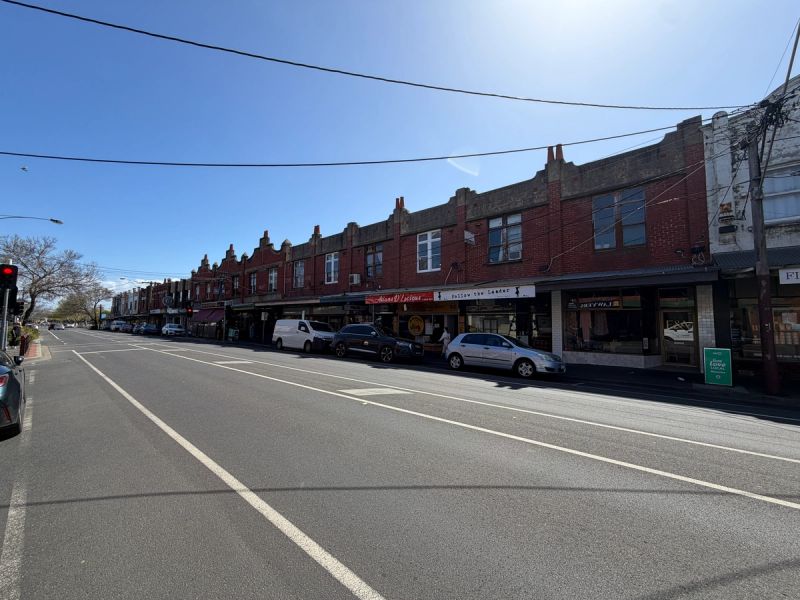
Ripponlea Village is the run of shops along Glen Eira Road by the station, and almost all of it went up between 1912 and 1920. Red brick, Edwardian, some Arts and Crafts in the detail, and six shopfronts from the 1930s that have survived intact.
That is rarer than it sounds. Most suburban strips have had their fronts replaced at least once, usually with aluminium and plate glass. Here a good deal of the timber, the glazing bars and the fittings are original, and Brinsmead's Pharmacy is counted among the finest chemist shopfronts in the state for exactly that.
It matters to the houses because the strip and the streets behind it went up in the same years. Same brick, same builders, same kind of render, and the same reason to keep a pressure washer away from all of it.
Brick of that age has a fired face that is doing the weatherproofing. Take the face off with force and the softer body underneath starts taking water, and the mortar between the bricks goes first. It comes clean with a solution, time and a low-pressure rinse, which is house washing rather than pressure cleaning, and it looks cleaned rather than stripped.
The strip is also the clearest picture of what the heritage precinct protects. Those shopfronts still look like 1915 because nobody was allowed to change them. Cleaning, done properly, is one of the few things you can do to a heritage facade without a planning question, because it takes off what has settled without altering what is underneath.
Services we run in Ripponlea
Gutter cleaning
Vacuumed, downpipes flushed and flow-tested, photo report the same day.
See detailsSolar panel cleaning
Panels washed with demineralised water, frames included, output stops dropping off.
See detailsRoof cleaning
Terracotta and Colorbond, moss and lichen treated to slow regrowth.
See detailsWindow cleaning
Glass, frames and tracks, inside and out, streak-free on the dry check.
See detailsPressure cleaning
Driveways, paving and concrete brought back without scarring the surface.
See detailsSoft washing
Render, cladding and painted surfaces washed at low pressure.
See detailsJobs we've finished in Ripponlea
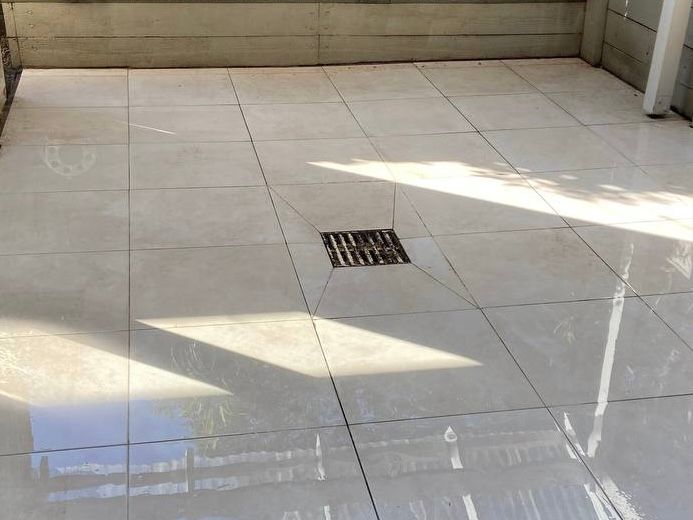
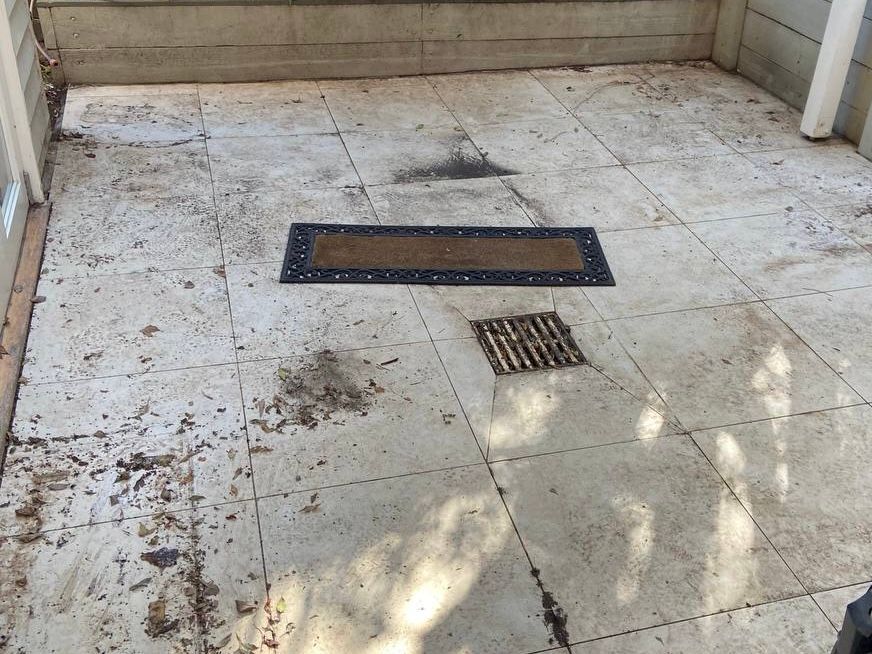
A tiled backyard on Victoria Avenue, Ripponlea, on a gloss finish rather than a matte one. Two and a half hours, one technician.
Read case study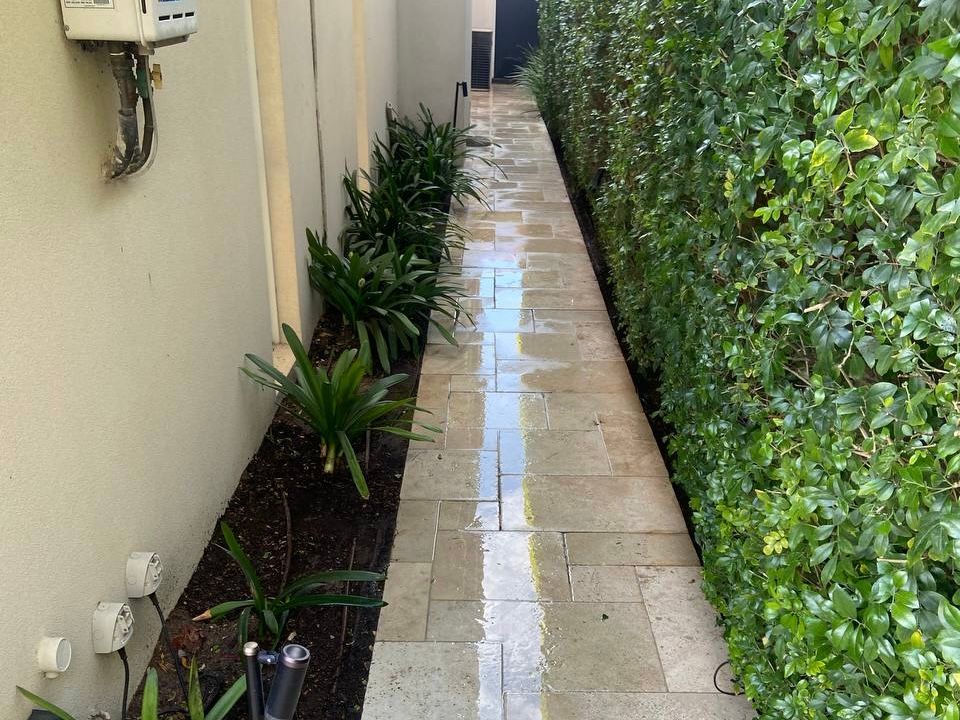
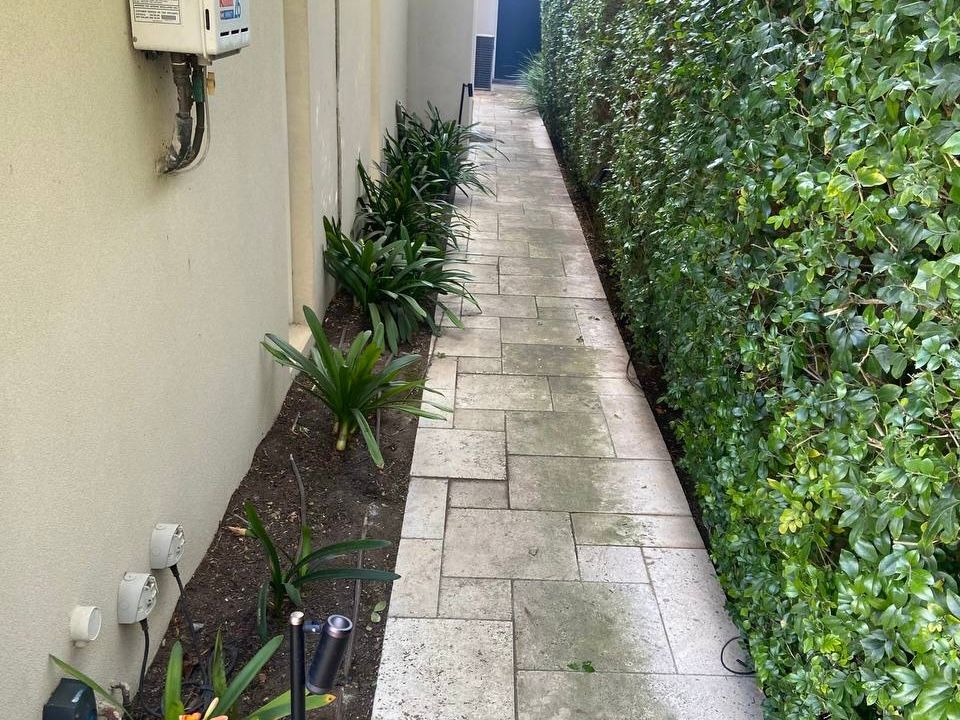
A paved area on Fuller Road, Ripponlea, green across the whole surface. Dense matte tile, most likely porcelain, laid tight with narrow joints that had filled with growth.
Read case study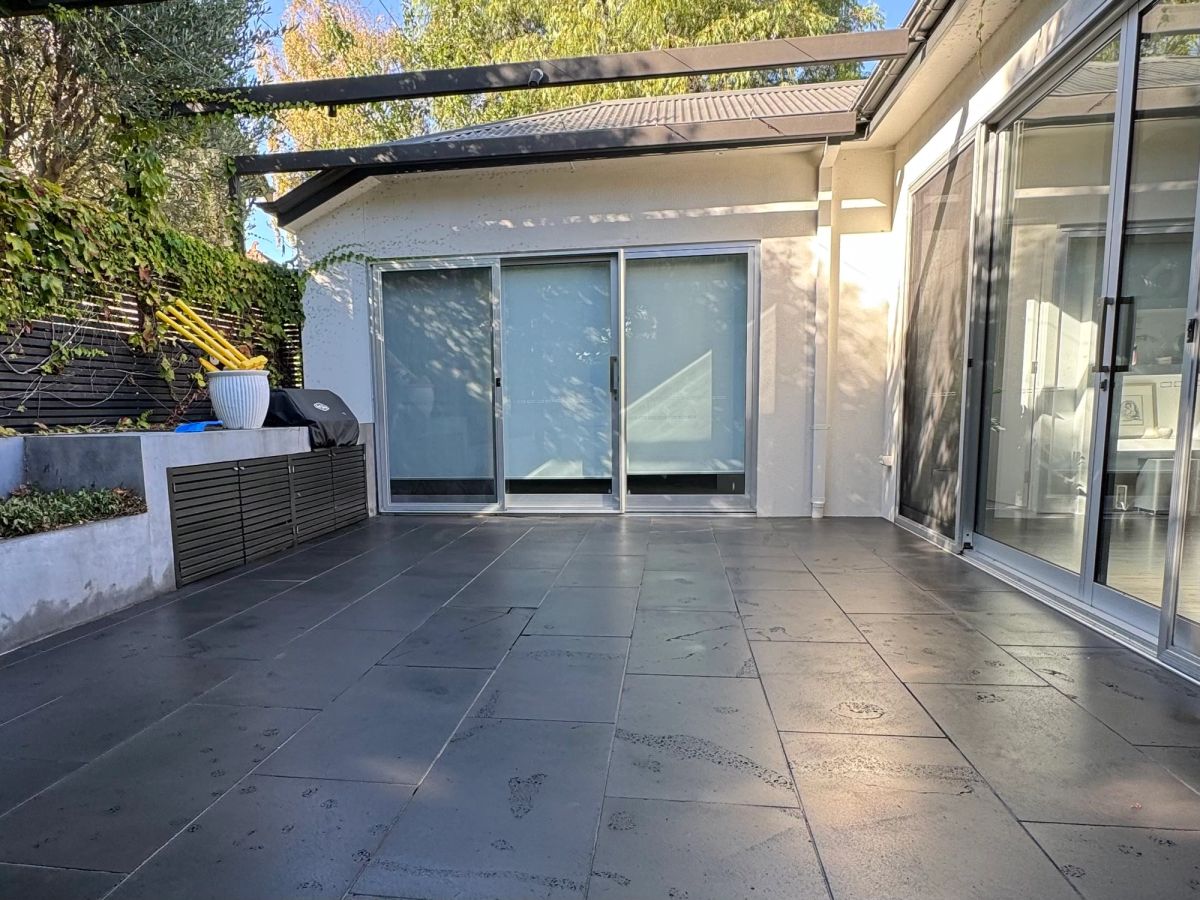
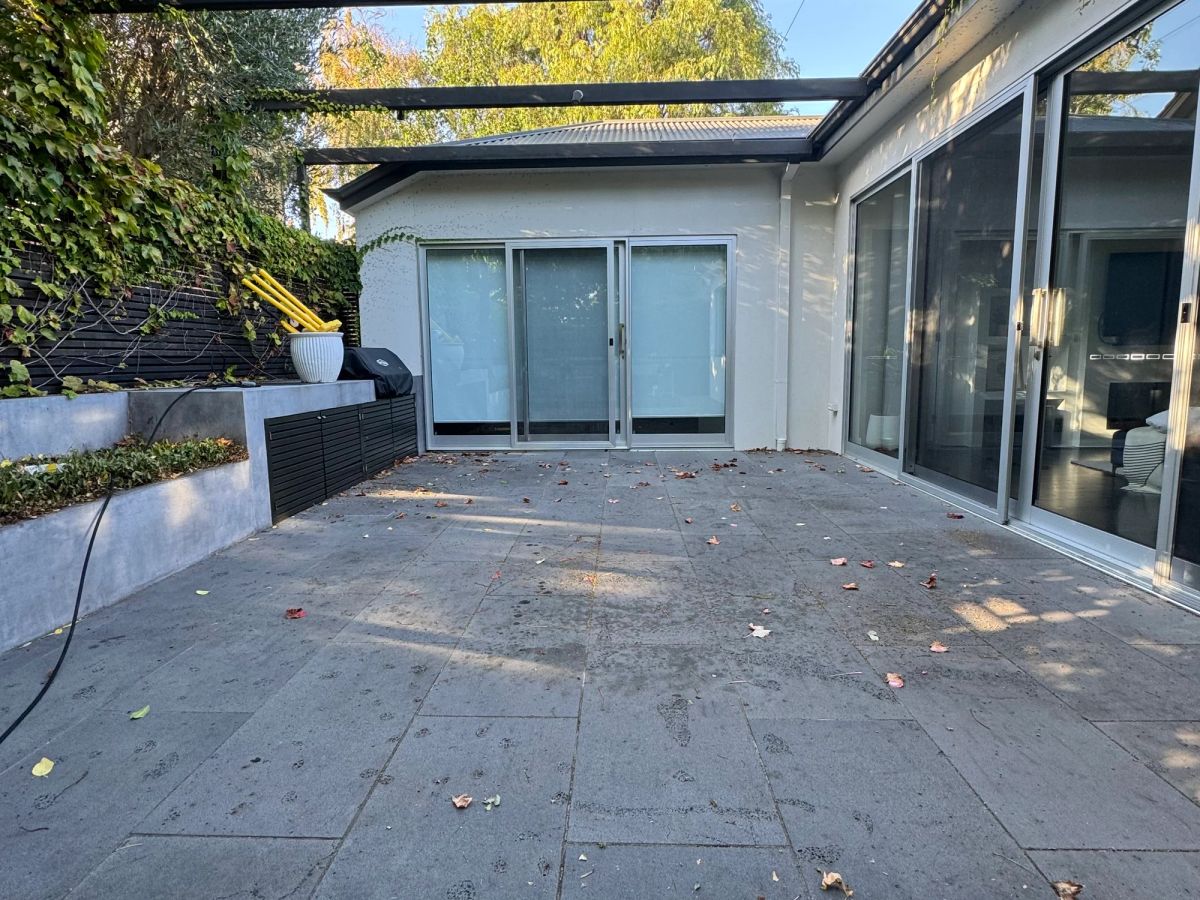
Backyard paving on Allison Road, Ripponlea, under a tree that drops resin. The stains were amber, sticky when fresh and rock hard once they had sat in the sun.
Read case studyQuestions we get in a suburb this small
Is Rippon Lea Estate actually in Ripponlea?+
No, and it's a common mix-up. The house and its gardens are over the boundary in Elsternwick. The suburb took the name because it was built on land subdivided from the estate after 1903, which is also why the streets here are the age they are.
Do I need a permit to repaint the outside?+
Probably. Ripponlea shares its heritage precinct with St Kilda, Elwood and Balaclava, and external paint controls apply across it, so a change of colour is a planning question. Cleaning isn't: it takes off what has settled without altering the coating.
It's one house on a short street. Is that worth a callout?+
Yes, and it's usually not a special trip. We're in Balaclava and St Kilda East regularly, and Ripponlea sits between them, so a single job here fits a run rather than needing one of its own.
The gardens next door drop everything on us. How often is sensible?+
Twice a year for gutters where mature trees overhang, once where they don't. The load here is heavier than the suburb's size suggests, because seven hectares of established garden sit on the boundary and the fall doesn't stop at the fence.
The house is Edwardian. Does that change what you'd use?+
It changes the pressure and the chemistry, not the outcome. Render and brick of that age come up well with a low-pressure wash and the right solution, and badly with anything faster. The finish should look cleaned, not stripped.
Nearby suburbs we cover
Rated by Melbourne
Ripponlea jobs are posted to our Google profile with before-and-after photos as they finish.