Paving & Patio Cleaning Melbourne
Bluestone, concrete pavers, tile and natural stone. The joints matter as much as the faces, and blasting them out is how pavers start to move.
- $20M public liability insurance
- Police-checked, WorkSafe compliant
- 5.0 from 170 Google reviews
- Not happy with the work? You don't pay
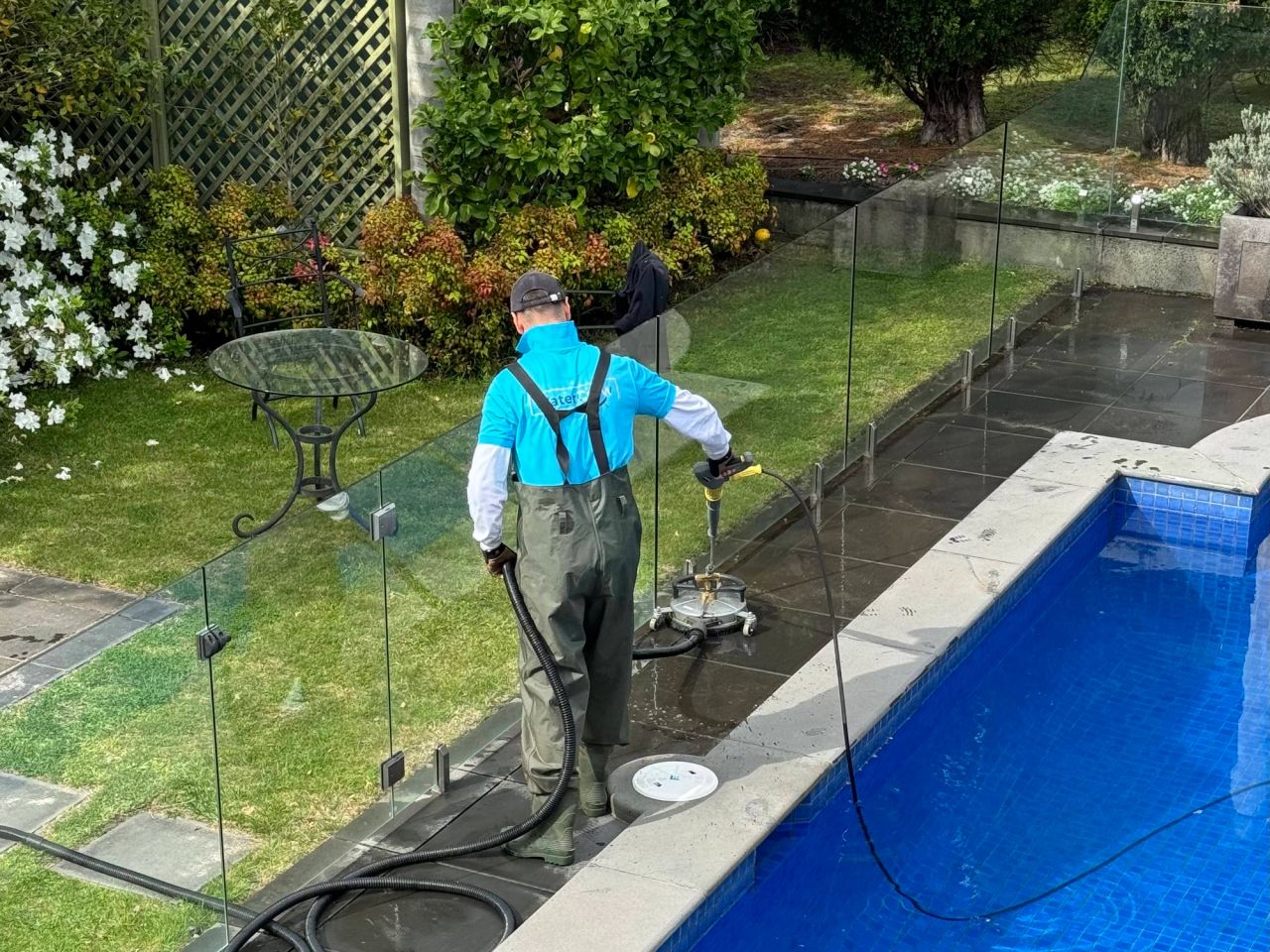
Paving goes off from the joints outward. Growth starts in the sand between the units, spreads across the faces, and by the time the whole area reads as green the roots have been in the joints for two or three seasons.
That is why the joints decide the job. Clean the faces and leave the joints and it is back by the next wet winter; empty the joints to get it all and the pavers lose their lock and start rocking under foot.
Paving cleaning starts at $220 including GST, which is also the minimum call-out. What moves it from there is the size of the area and what it is made of.
What paving cleaning is actually removing
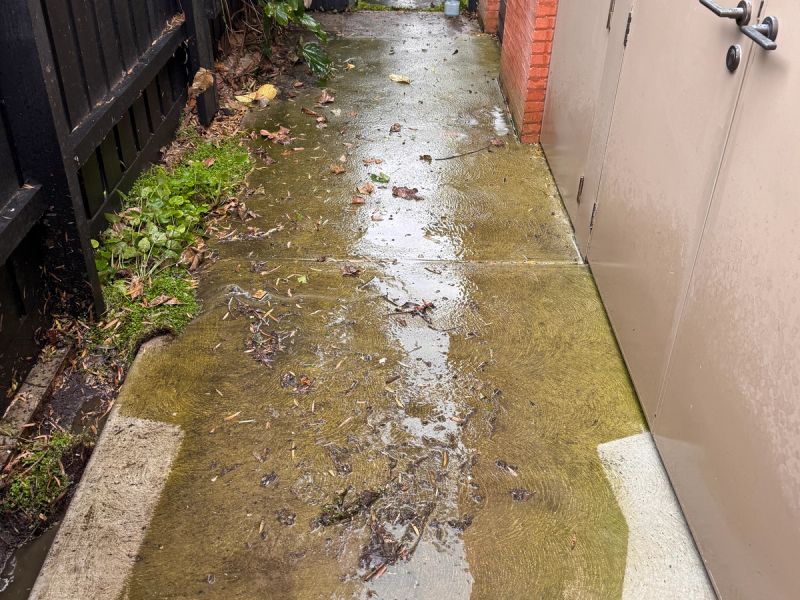
- Paving cleaning is mostly not about dirt. What darkens an outdoor area is algae and lichen living in the pores of the stone and in the sand between it, fed by shade and by water that sits rather than runs.
- Shade is the whole pattern. The part of a patio under the pergola goes first, the strip along the south wall goes second, and the open middle can stay presentable for years while everything around it does not.
- Living growth is also what makes paving slippery. A patio that is fine in February and treacherous in July has not got dirtier, it has got damper, and the film that was always there is now holding water.
- Hosing achieves what hosing achieves. Water lifts the loose top layer and leaves what is rooted, so the area looks better wet, looks the same dry, and is fully back within a season.
- Done properly the growth is removed rather than rinsed off, which is the difference between a patio that stays clear for years and one that is booked again next spring.
Cleaning pavers without emptying the joints
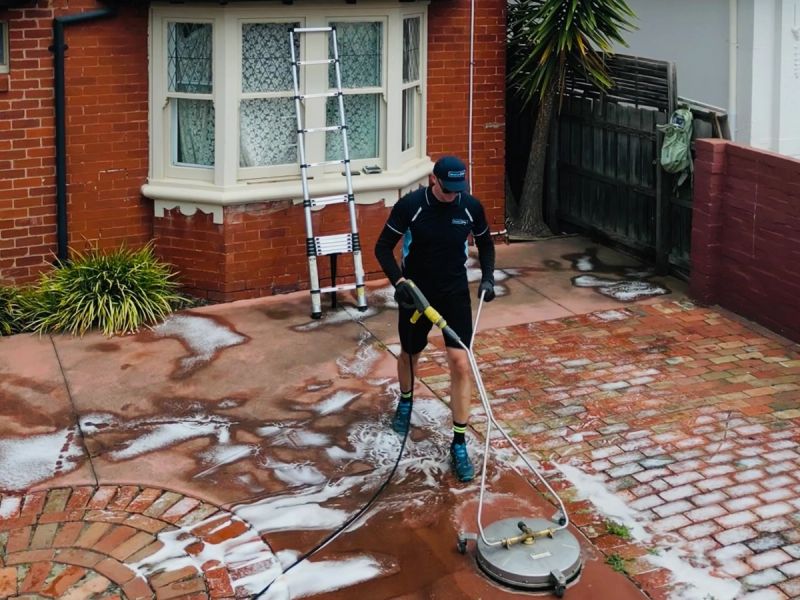
- Cleaning pavers is a joint problem before it is a surface problem. The sand between the units is what stops them moving, and it is also where most of the growth lives.
- A wand pointed into a joint empties it in seconds. It looks like thorough work and it is the reason pavers start rocking, edges start lifting and a patio that was flat develops a wave in it within a year.
- The method that works is a surface cleaner held flat, which cleans the faces and the top of the joints without excavating them, followed by topping the joints back up where the wash has taken some.
- Natural stone adds a second consideration. Bluestone is softer than it looks and takes a lower pressure than concrete, and sandstone and limestone are softer again. On those the product does the work and the water only rinses.
- Tiled areas are the third case, and there the problem is usually grout rather than tile. Grout is porous, it holds growth, and it comes clean at a pressure that would be safe nowhere near the tile face itself.
| What goes wrong | What causes it | What it costs | How to prevent it |
|---|---|---|---|
| Pavers rocking and edges lifting | Joint sand blasted out and never topped back up | Lifting and relaying the affected areaNo published figureTrade experience, no published figure | Surface cleaner held flat, then the joints re-sanded |
| Bluestone left with wand marks | Concrete pressure used on a softer natural stone | Permanent. The marks are in the face of the stoneNo published figureTrade experience, no published figure | Lower pressure on natural stone, product does the work |
| Travertine or limestone etched | An acidic product chosen for concrete used on soft stone | Permanent. A dull patch that later cleaning cannot liftNo published figureTrade experience, no published figure | Match the product to the stone, never to the job before |
| Grout washed out from between tiles | A jet aimed into the grout line rather than across it | Regrouting an area that only needed cleaningNo published figureTrade experience, no published figure | Work across the joints, not into them |
| Coloured pavers gone patchy | Pressure on a surface finish that carries the colour | The whole area recoated to get an even look backNo published figureTrade experience, no published figure | Treat a finished paver as coated, not as concrete |
| Growth back by the next winter | Faces cleaned while the joints were left alone | The same job again, a season laterNo published figureTrade experience, no published figure | Clear the joints as part of the clean, not after it |
Sources
No published dollar figure exists for any of these on a Melbourne paved area, so none is quoted. Every row is trade experience and says so in the row.
Patio cleaning starts at the edges
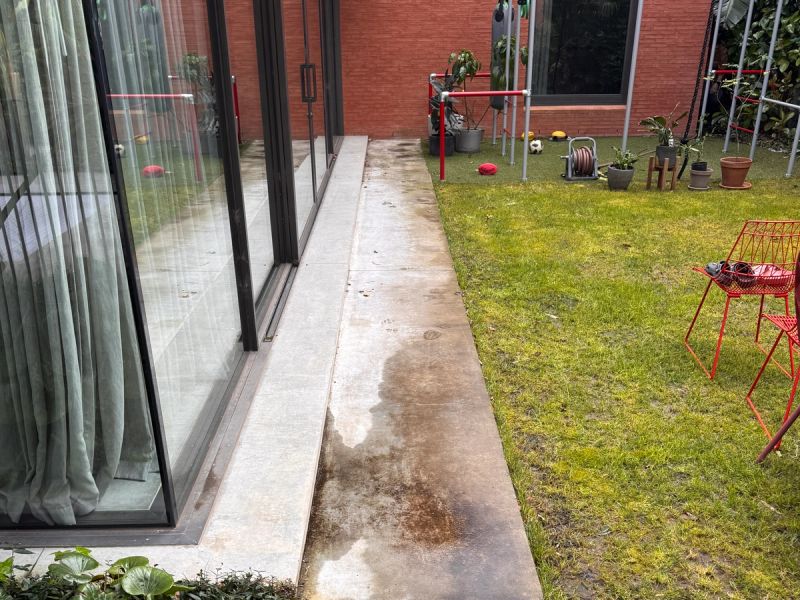
Patio cleaning starts at the border rather than in the middle. Growth arrives from the garden bed, from the lawn edge and from the gap along the wall, and an area cleaned inside its own perimeter is being cleaned from the wrong direction.
So the run covers the paved area, the steps, the edge where it meets planting and the threshold where it meets the house. On a courtyard that boundary is most of the perimeter, which is why a small area is rarely as quick as its square metres suggest. Joints are topped back up as part of that rather than charged after it.
Sealing is not part of the job and is not something we take on. It is a separate trade with its own products and its own warranty, and it wants a surface that has been dry for days rather than hours. Cleaned first, sealed later, by somebody who does that for a living.
Three other things sit outside it:
- Lifting, relaying or levelling pavers
- Replacing grout, or repointing stone
- Anything that needs a licence we do not hold
If the wash uncovers a paver that has lost its bed, or grout that has already failed, you get a photograph and a plain description. It was under the growth before we arrived.
Paving cleaning prices in Melbourne by area
Paved areas are priced by size and by what they are made of. Concrete and standard pavers are the quickest; bluestone, tile and soft natural stone take longer because the method is gentler.
from — faces, edges and joints
from — faces, edges and joints
from — softer stone, slower method
All prices include GST, and $220 is the minimum call-out as well as the smallest job. Joints are cleared and topped back up as part of the work rather than charged as an extra.
Concrete pavers cleaning and natural stone
Concrete pavers cleaning is the straightforward end of this work. The units are dense, the colour is usually through the body rather than on the surface, and they take a real working pressure without complaint.
The exception is coloured or through-coloured concrete with a surface finish on it. That finish is the look, and it strips as easily as stencilled concrete on a driveway does.
Cleaning outdoor pavers made of natural stone is a different conversation. Bluestone, sandstone, limestone and travertine are all softer than concrete and all more absorbent, and the ones with a honed or sawn face show every mark the machine leaves.
Travertine and limestone are the two that punish acid. A product chosen for concrete will etch them, and the etch is a dull patch that no later cleaning removes.
So a single price for every paved surface is a warning rather than a convenience. Anyone quoting the same rate for bluestone and concrete has decided in advance to treat them the same way.
And if what you actually want done is the driveway rather than the paving around the house, driveway cleaning is a different job on its own page. A poured slab that is neither — a path network, a basement, a garage floor — is concrete cleaning. Same machine, different surface, different price.
Bluestone, tile and concrete we have done
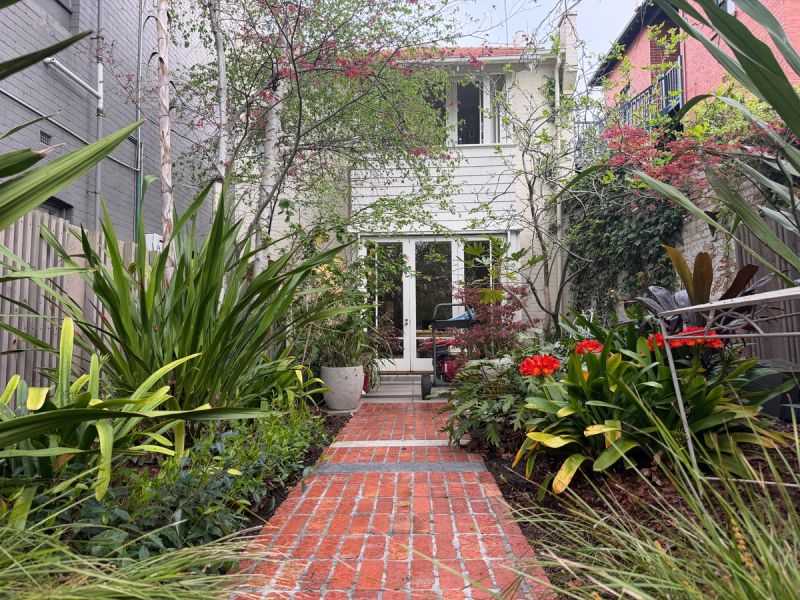 Pressure cleaning
Full-day clean of the pathways across the grounds of a multi-unit complex on Acland Street, St Kilda, carried out alongside window cleaning and gutter clearing on the same visit.
Read case study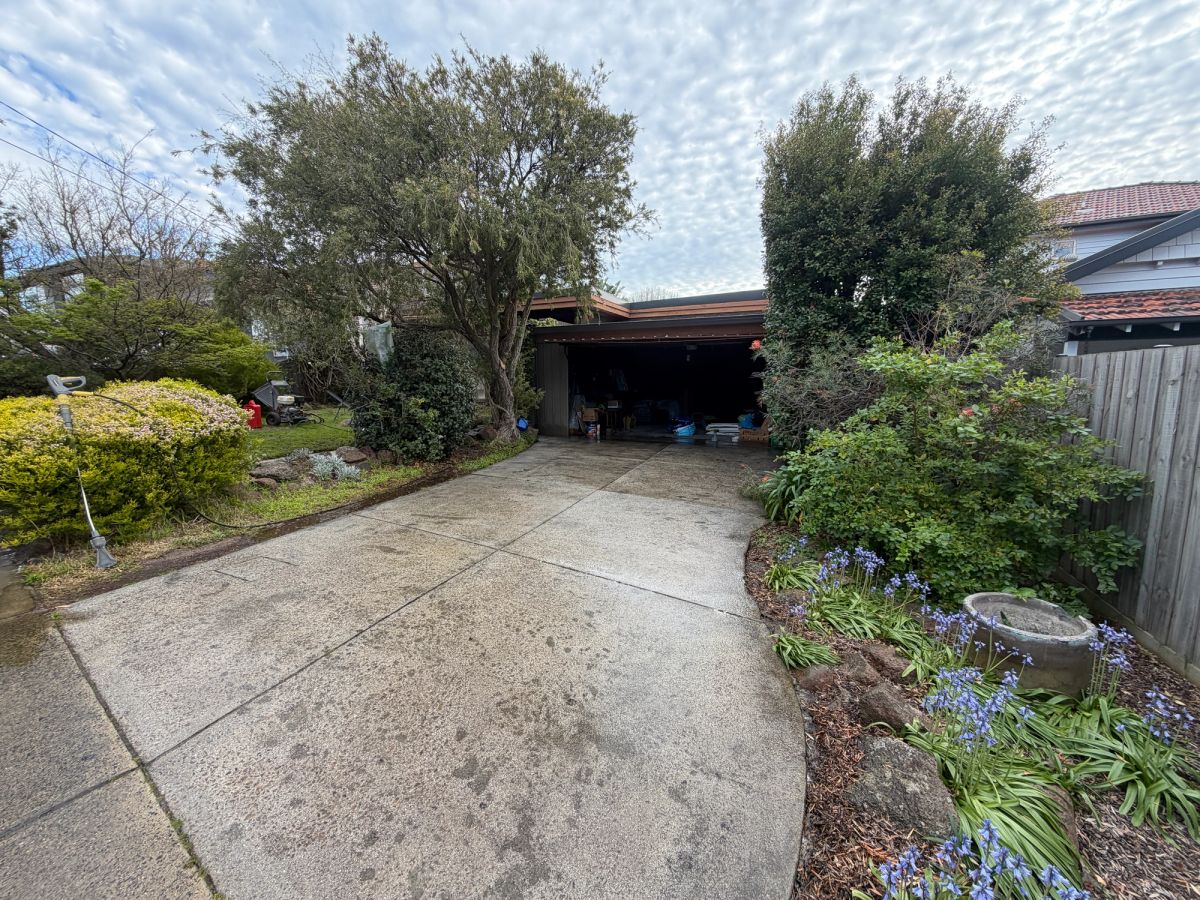
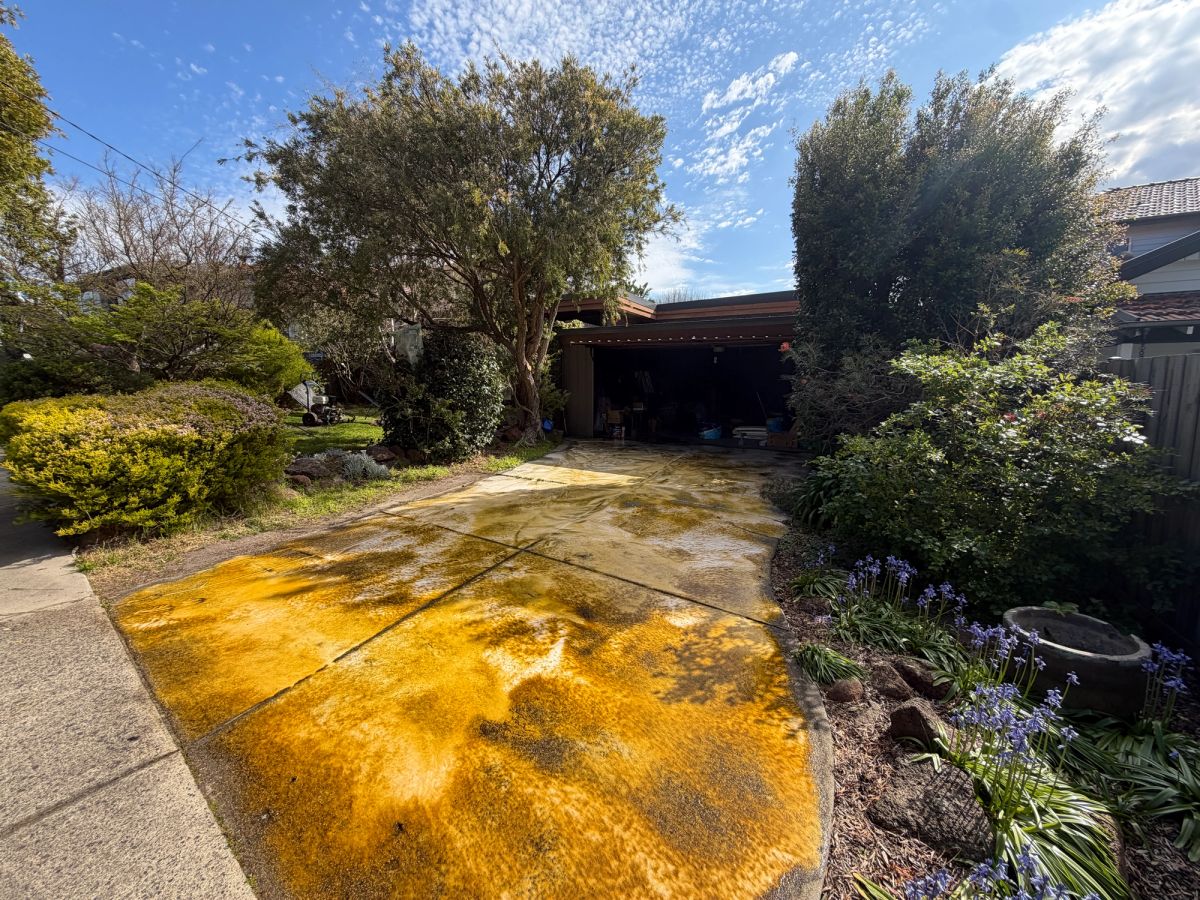
Concrete driveway cleaning on Amelia Street, McKinnon. The slab had ingrained dirt and established moss growth, treated with a cleaning solution and cleaned with a surface cleaner.\n\nThe chemical treatment broke down the growth before pressure cleaning, and the surface cleaner attachment gave an even finish across the whole driveway.
Read case study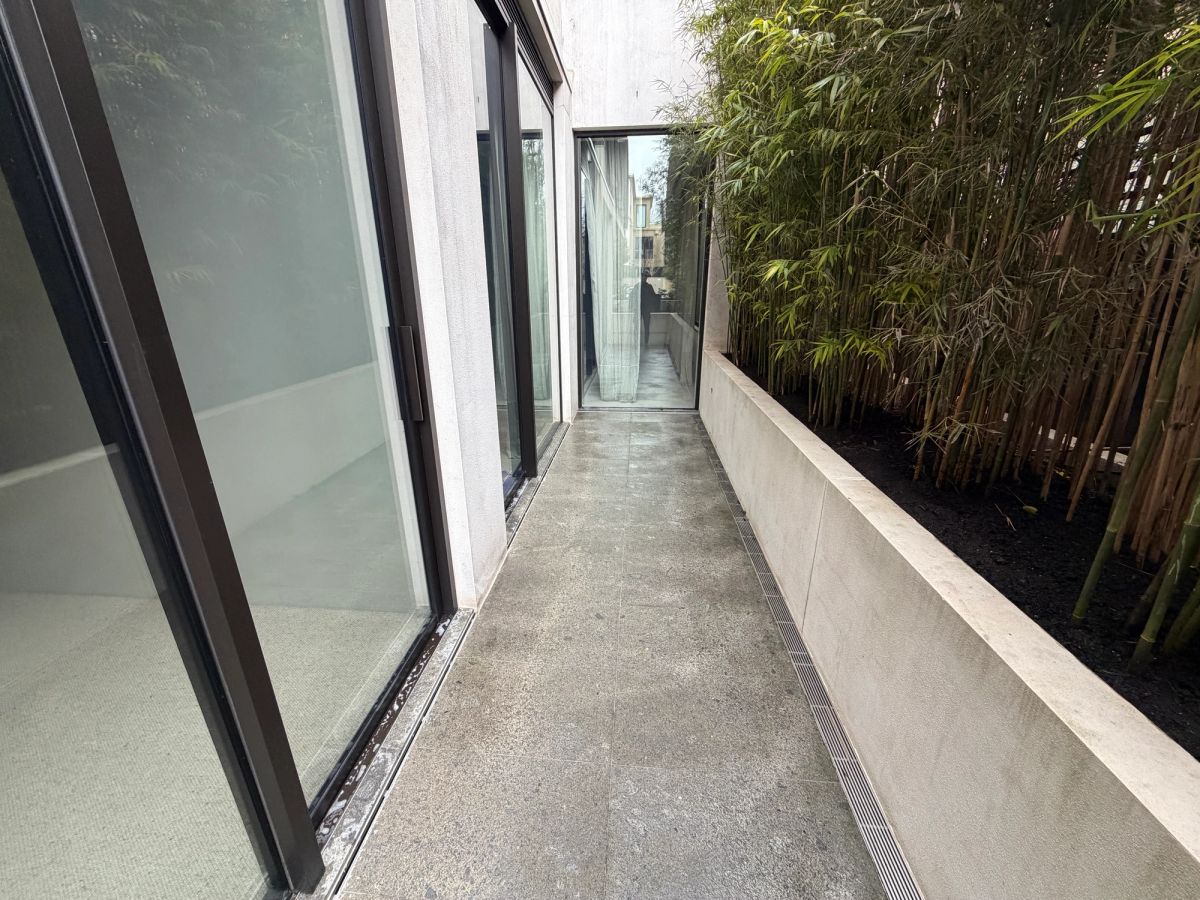
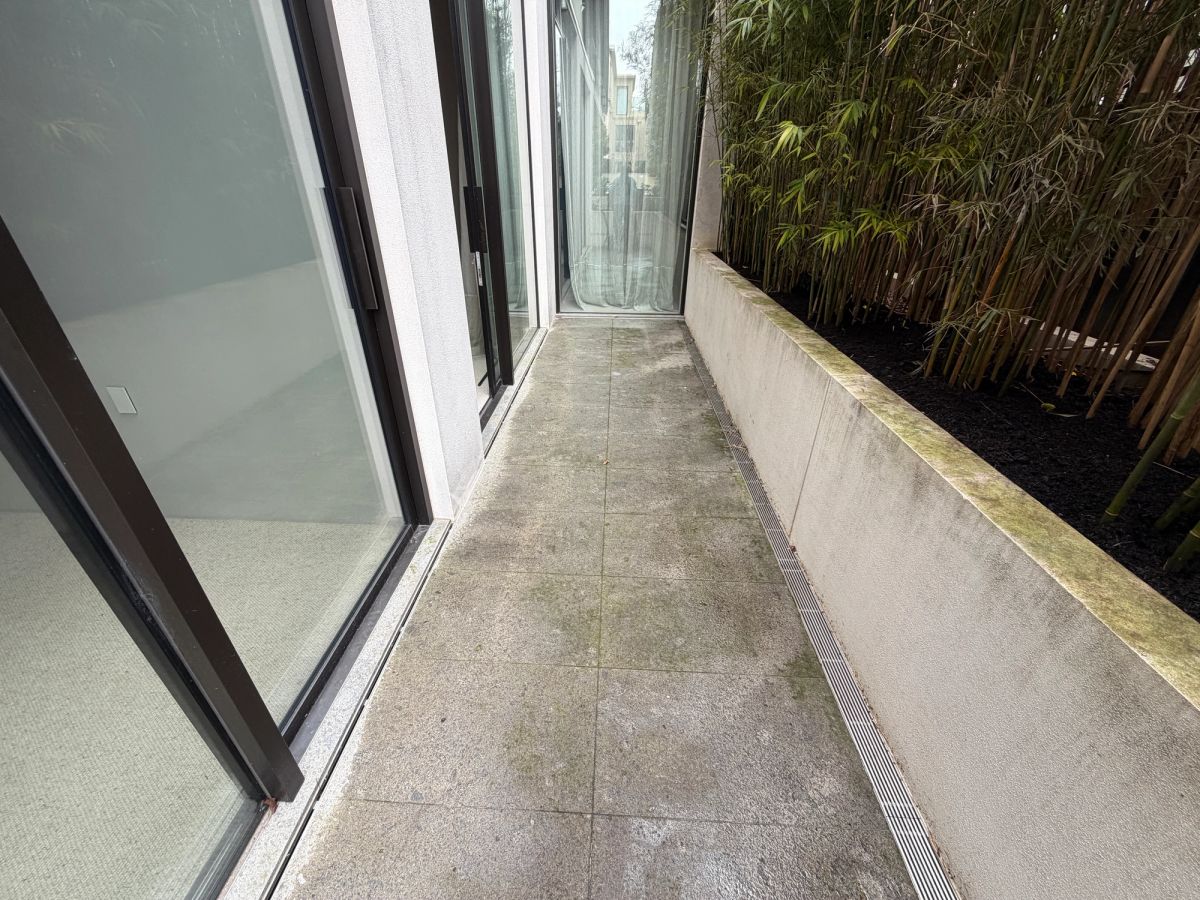
A concrete clean in South Yarra that started with a drainage problem: water was not leaving the site, so the surface could not be cleaned properly until the drain was cleared.
Read case study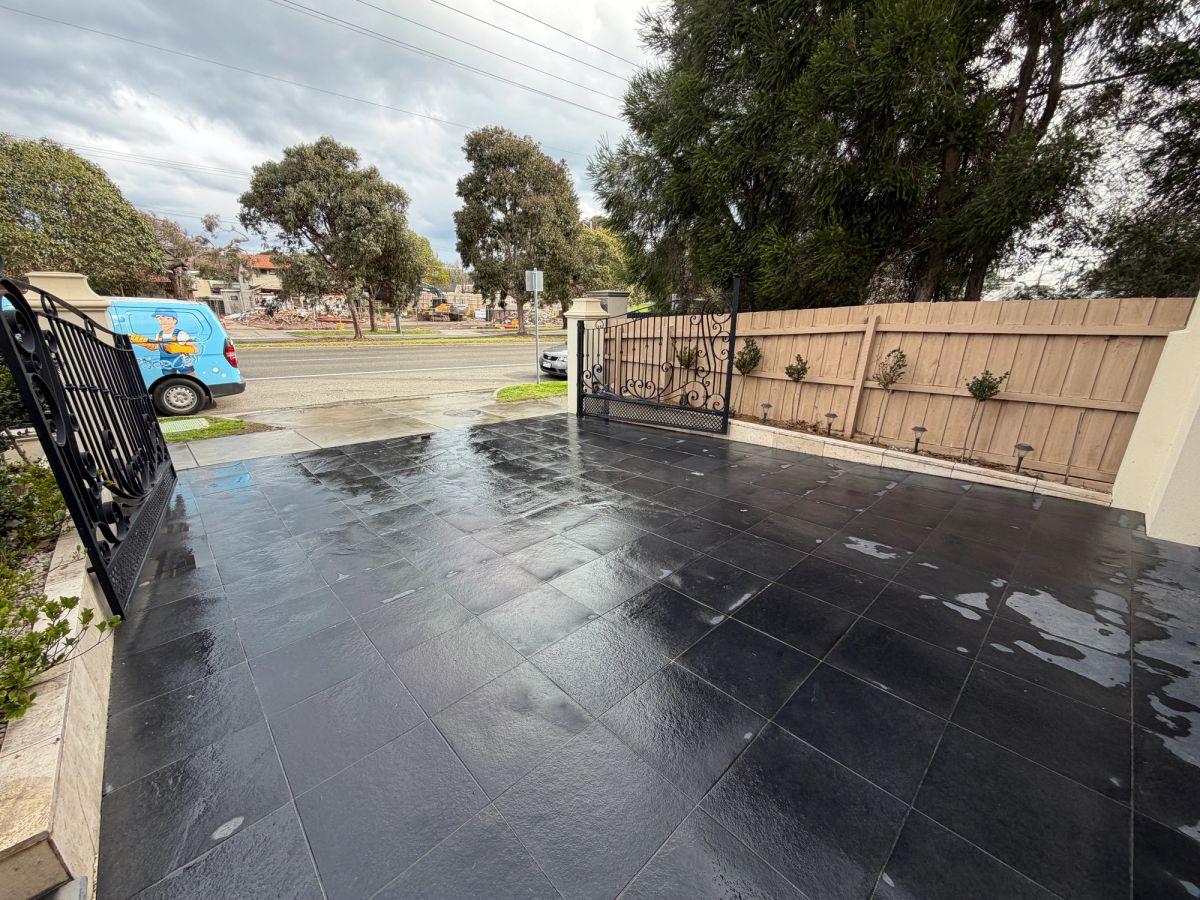
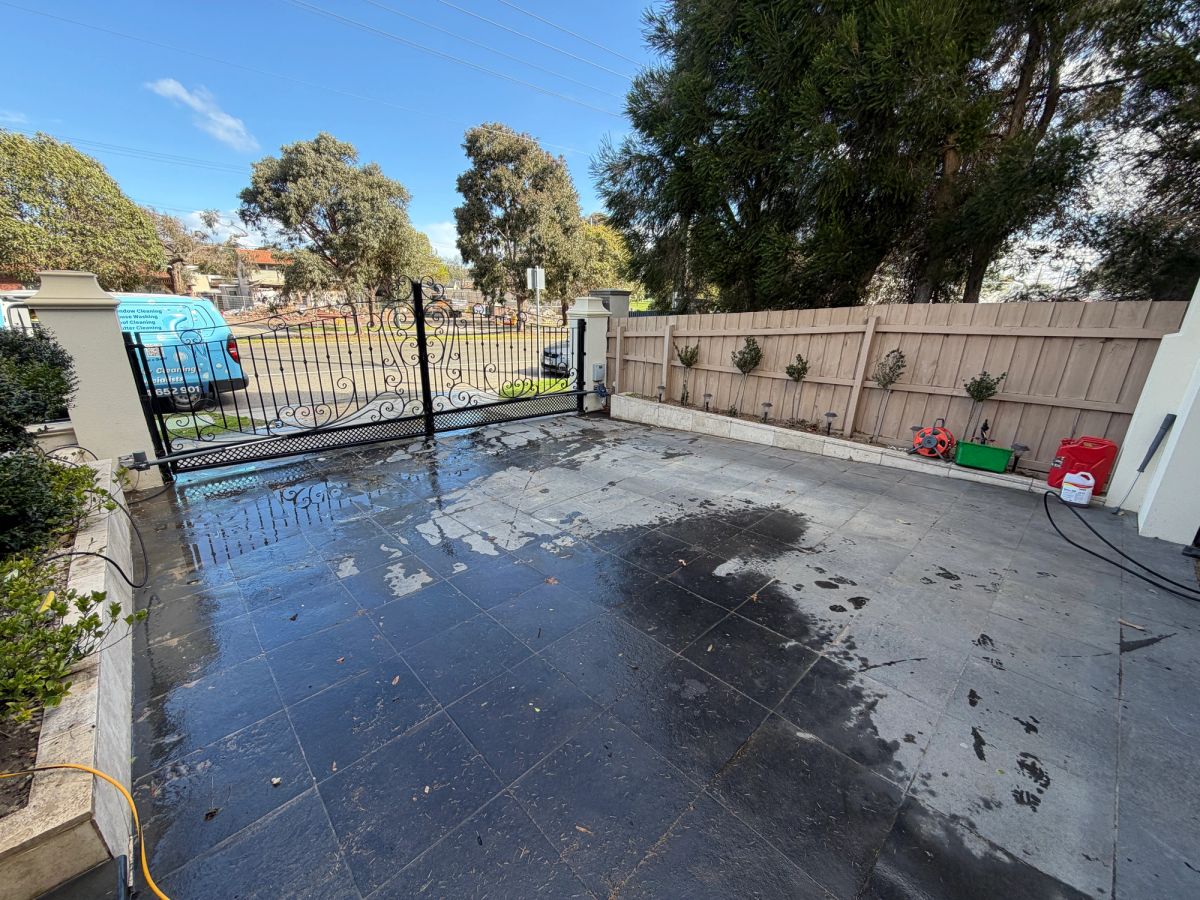
The driveway and paving at the same South Road house, done on the same day as the facade but recorded on its own because it is a different job on a different surface.
Read case study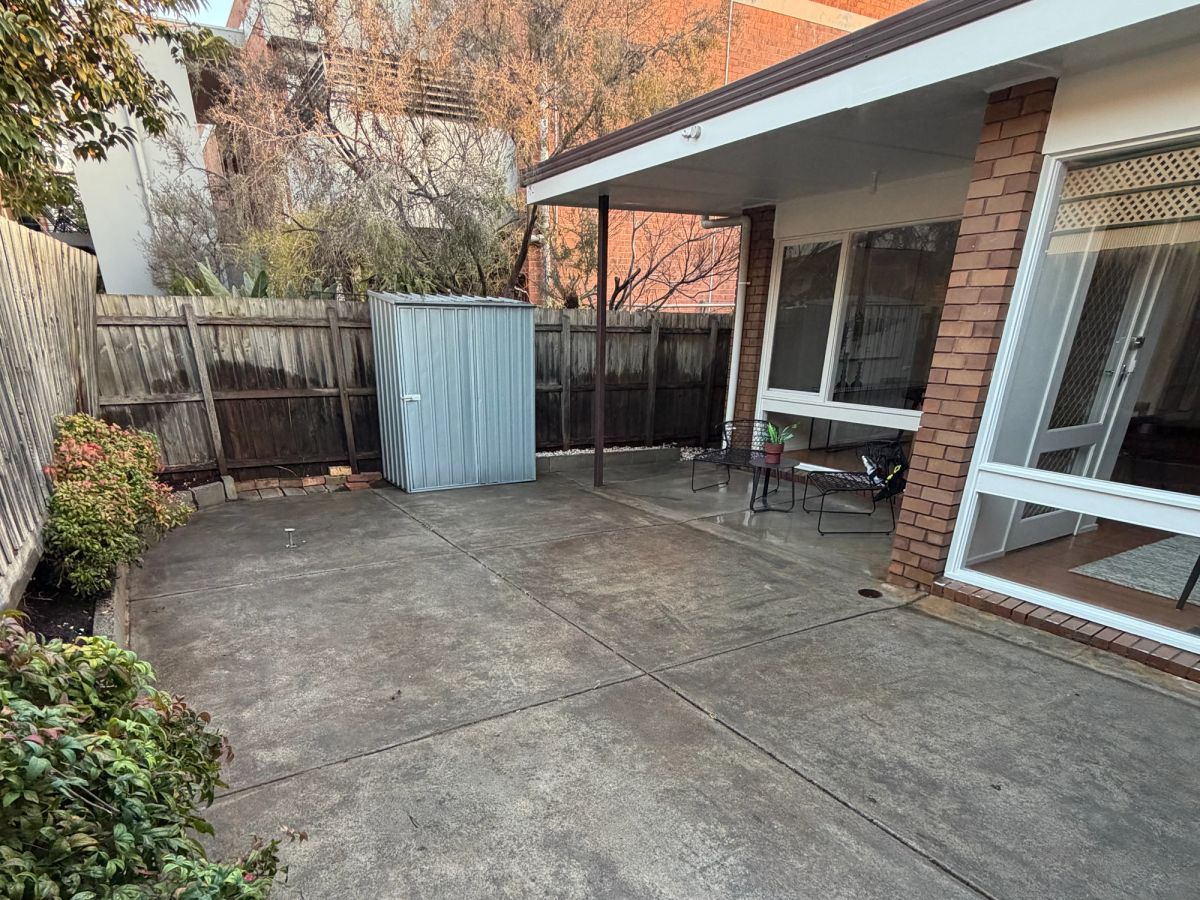
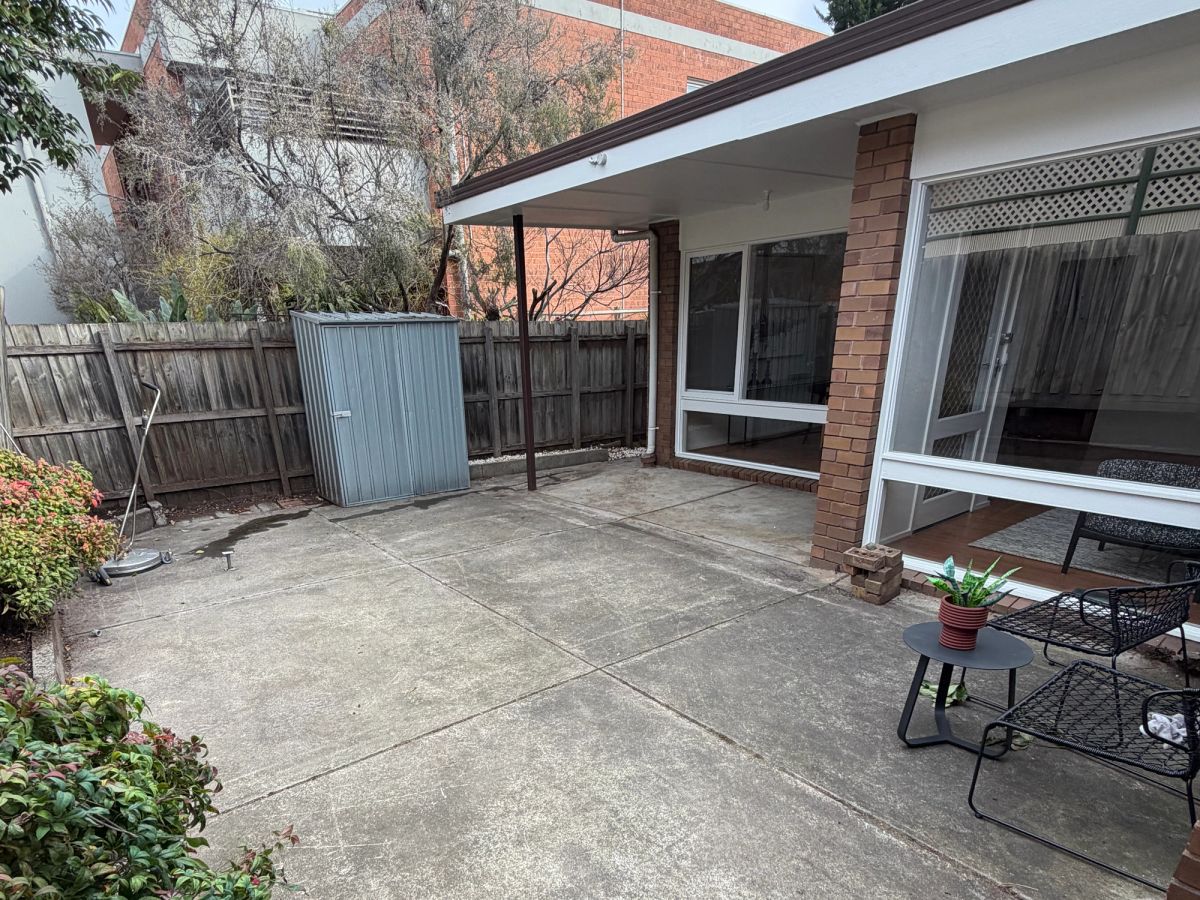
Concrete cleaned on Hotham Street, St Kilda East, in the first week of July. Mid-winter is when concrete looks worst here: it never gets a chance to dry out.
Read case study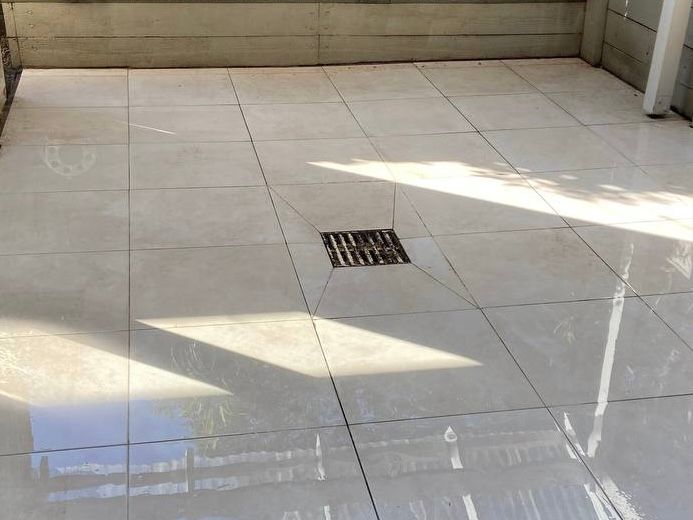
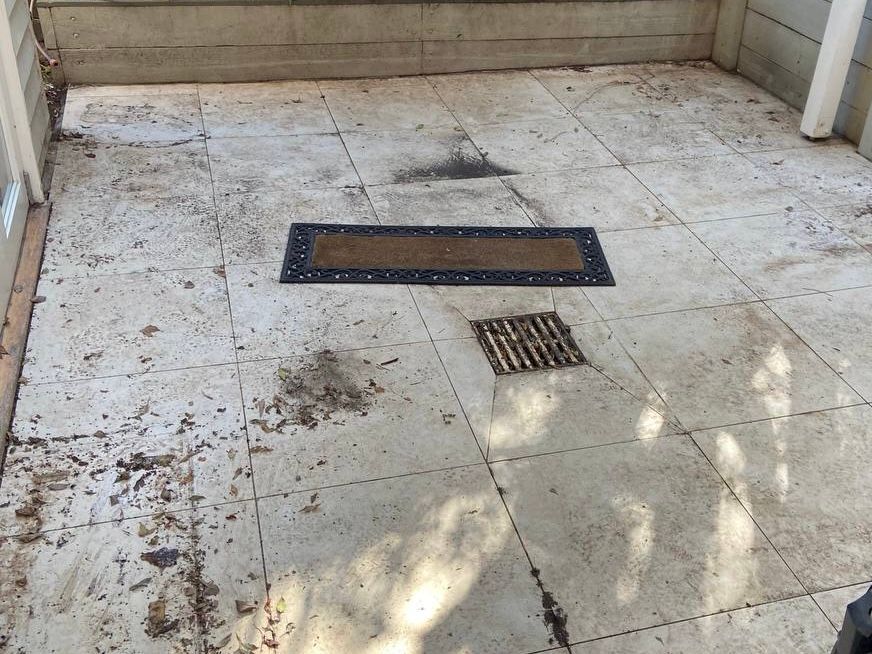
A tiled backyard on Victoria Avenue, Ripponlea, on a gloss finish rather than a matte one. Two and a half hours, one technician.
Read case study
Google reviews
What clients said about the paving, from Google
Recent verified feedback from local clients who booked exterior cleaning with WaterCrew.
★★★★★ GoogleJuly 2026"Very happy with the service. They were clean, professional and left everything tidy Plus the job was done beautifully Many thanks!"
MelbourneView on Google ↗

★★★★★ GoogleJune 2026"Highly recommend Eren and his WaterCrew. Have used for gutter cleaning and will in future use for terracotta roof tile cleaning & window cleaning. They do a very thorough and professional job at competitive rates. Also, they are polite, friendly and well spoken."
CanterburyView on Google ↗

★★★★★ GoogleJune 2026"WaterCrew Cleaning recently cleaned the windows at my home in Chadstone and did an excellent job. The team was professional, friendly, and easy to deal with. The windows look crystal clear, and the service was completed on time and to a very high standard. I would highly recommend WaterCrew Cleaning to anyone looking for reliable window cleaning services in Chadstone."
MelbourneView on Google ↗

★★★★★ GoogleJune 2026"New age equipment, timely with very satisfactory results. Highly recommend crew for exterior/interior and flyscreen cleaning. Gutters cleaning available as well Best crew I came across for sometime and reasonably priced. Collin"
HamptonView on Google ↗

Four reasons an outdoor area gets booked
A patio that went slippery
Usually noticed in the first properly wet month. The surface has not got dirtier, it has got damper, and the film that was always there is now holding water.
A house going to market
Outdoor living is what the listing photographs sell, and a green patio makes a good house look neglected in the one shot buyers look at longest.
An area nobody has touched
Three or four years of growth in the joints, and the owner stopped seeing it. This is the one where the joints decide whether the result lasts.
A shopfront or strata forecourt
Foot traffic all day, a duty of care about what people walk on, and work that has to happen outside opening hours.
Eight questions about outdoor surfaces
Will the pavers move afterwards?+
Not if the joints are handled properly. Movement comes from sand blasted out and never replaced, which is why the joints are cleared with a flat surface cleaner and topped back up rather than excavated.
Can you clean bluestone?+
Yes, and it takes a lower pressure than concrete. Bluestone is softer than it looks and shows wand marks, so on natural stone the product does the work and the water only rinses.
What about tiled outdoor areas?+
The tile is rarely the problem, the grout is. Grout is porous and holds growth, and it comes clean at a pressure that has to be kept well away from the tile face.
Do you seal paving afterwards?+
No. Sealing is a separate trade with its own products and warranty, and it needs a properly dry surface. We clean it and leave it ready for whoever does that work.
How long will it stay clean?+
Years if the growth was removed rather than rinsed off, and one season if only the faces were done. Shade is the other half of the answer: an area under a pergola loads faster than one in the open.
Is winter a bad time to book?+
It is often the best time. Growth is at its darkest so you can see the whole problem, and it is soft and actively growing, which means it releases with less product and less time.
Will it damage the plants along the edge?+
Beds against the paving are wet down before anything goes on and rinsed afterwards. Established planting is harder to replace than paving is to clean.
Do you do commercial forecourts?+
Yes, and they are quoted on the schedule as much as the area. Work happens outside trading hours, and a forecourt done regularly costs less per visit than one left for years and rescued.
Pavement cleaning services for strata and shopfronts
Pavement cleaning services for a commercial frontage are a different job to a back patio, and the difference is not the surface. It is who is walking on it and when.
A shopfront pavement or a strata forecourt carries foot traffic all day, which means the work happens early, late or on a Sunday, and the area has to be usable again immediately rather than by tomorrow.
It also carries a duty of care. A slippery entrance is a liability on a commercial site in a way it is not on a private patio, and that is usually the reason a schedule exists rather than a single booking.
What lands on a commercial pavement is different too. Food grease, drink spill and chewing gum near an entrance behave nothing like garden growth, and gum in particular needs its own method rather than more pressure.
These jobs get quoted on the schedule as much as on the area, because the same forecourt cleaned four times a year costs less per visit than the same forecourt left for three years and then rescued.
Pressure washing patios: winter beats spring
Pressure washing patios is usually thought of as spring work, booked when the outdoor furniture comes back out. That is the busiest time of the year for it and it is not the best one.
Winter is when the problem is visible. Growth is at its darkest, the surface is damp so the slippery patches are obvious, and the areas that stay wet longest are showing you exactly where the shade sits.
Winter is also when the growth is easiest to kill. It is soft and actively growing rather than dried on, so it releases with less product and less time than the same growth baked hard through February.
The catch is drying. A patio cleaned in July stays wet longer, and if a sealer is going on afterwards, that has to wait for a genuinely dry run of days rather than a dry afternoon.
So the sensible pattern is to clean when it looks worst and seal, if you are sealing at all, when it dries fastest. Doing both in the same week in spring is the most common way sealer ends up trapped over damp stone.
About the expert

Ihor Sydorenko
Founder & Lead Rope Access Technician (IRATA Level 3) — WaterCrew Cleaning
Ihor has worked on ropes since 2013, starting on high-rise facades in Kyiv, where he founded and still runs the rope-access company Альпіністи Київ. He holds IRATA Level 3 — the highest grade in the international rope-access system, covering work supervision, safety planning and rescue.
- ✓ IRATA Level 3 rope access technician
- ✓ Working safely at heights
- ✓ Construction induction
- ✓ First aid