Pressure Cleaning — Ruskin Street, Elwood
A body corporate block on Ruskin Street, Elwood, kept on a standing cleaning arrangement rather than booked when someone complains. Driveway, rear patio and the paths between them, all of it in a single day. The same site takes gutter cleaning from us as well, and it is the second job we have done on this street.
- Location
- Elwood 3184
- Completed
- 24 October 2024
- Duration
- 6 h
- Crew
- 2 techs
- Property
- Apartment building
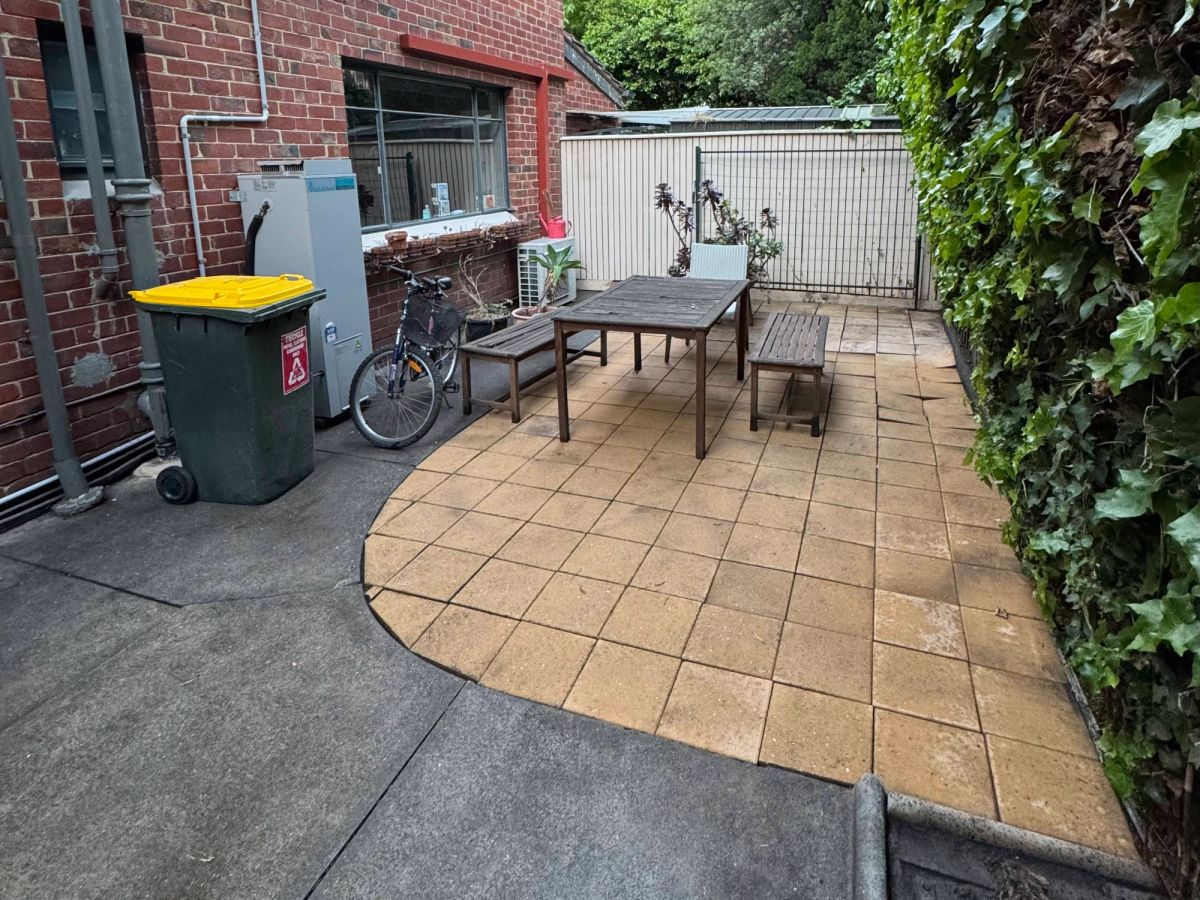
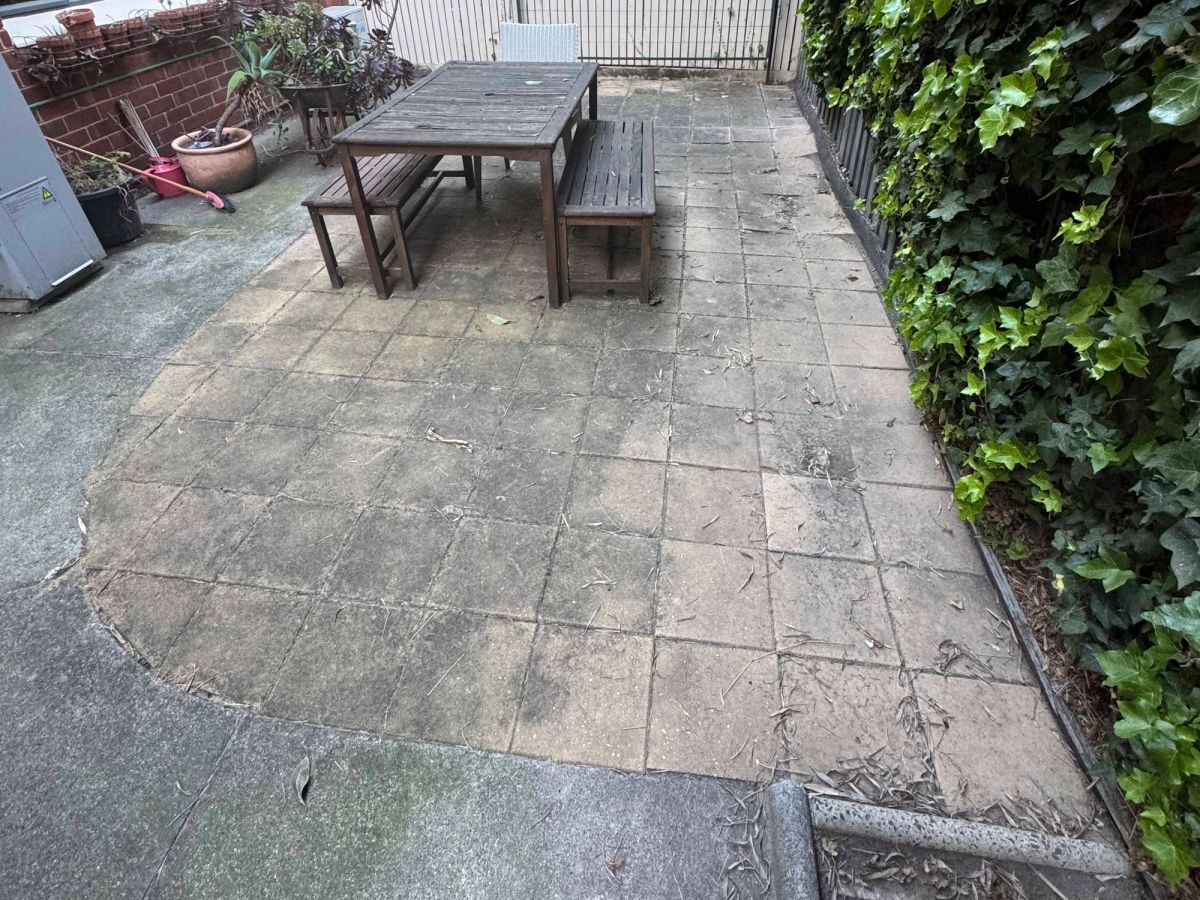
The problem
Common property is where cleaning gets deferred, because nobody owns the decision on their own. A driveway belongs to everyone and to no one. A patio behind the block is seen by whoever walks past it rather than by the person who would have to arrange the work and put it through a committee. So on most blocks the surfaces get attention once they have become a complaint. By then the growth is established in the joints and down in the pores of the concrete, it needs chemistry and dwell time rather than a pass with a machine, and it costs several times what keeping it on top of would have.
What we did
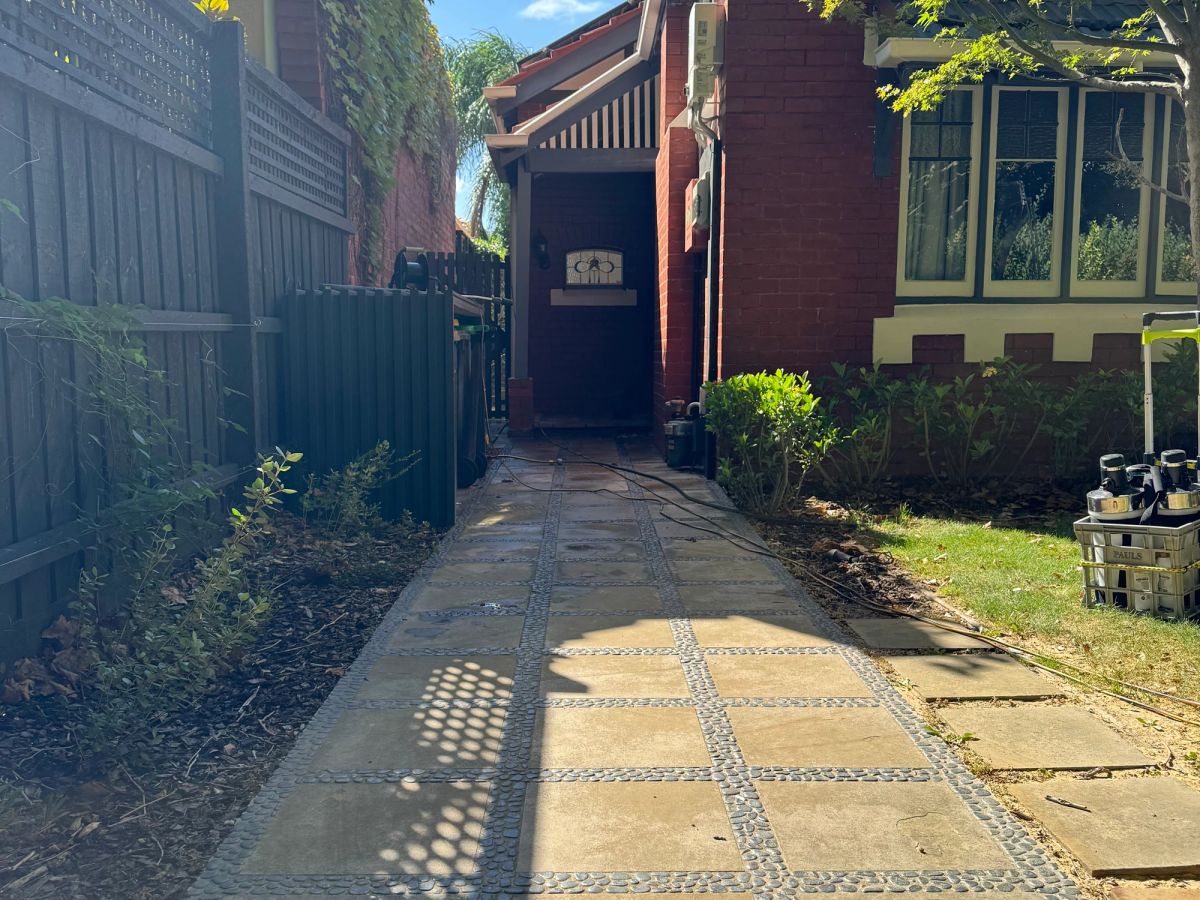
This one runs the other way round. The block is done on a cycle, so every visit starts from a surface that was clean not long ago rather than one that has been going backwards for five years. Everything hard gets done in the same visit: the driveway, the patio at the back and the paths that connect them. Doing them together matters more than it sounds. Water carries what it lifts downhill, so cleaning one surface above another that is still dirty means doing the first one twice. A day on site covers the lot, and that figure is only possible because of the interval. The same block left alone for years is a two or three day job before anyone gets to the gutters.
- Driveway, rear patio and connecting paths cleaned in one visit
- Surfaces worked in fall order so runoff never crossed finished work
- Joints cleared without being emptied out
- Scheduled with the body corporate on a cycle rather than booked ad hoc
- One attendance covering all the hard surfaces on the common property
Result
- Driveway, patio and paths finished in a single day
- Surfaces kept on an interval instead of rescued after a complaint
- One contractor and one invoice for the committee to approve
- Same site also serviced for gutter cleaning
Nearby case studies
More projects in Elwood
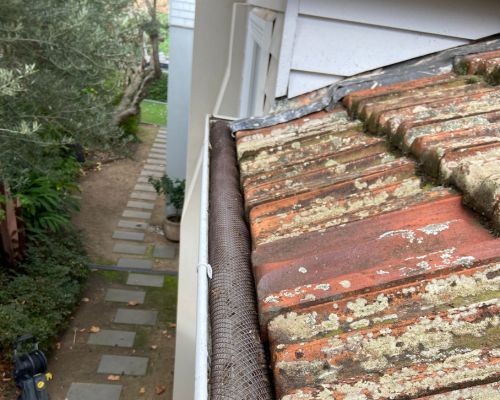
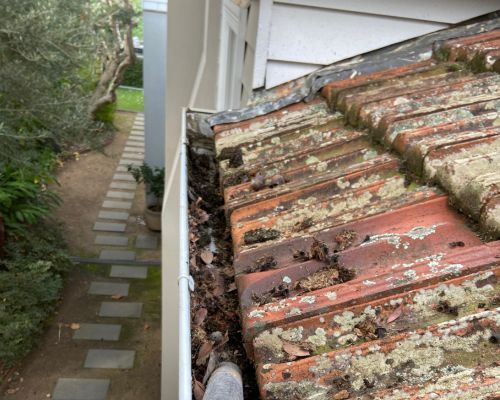
A double-storey home in Elwood with 90 metres of guttering under a terracotta tile roof, and gutter guard along the full run. The debris was fine — moss, humus and lichen shed from the tiles themselves.
Read case study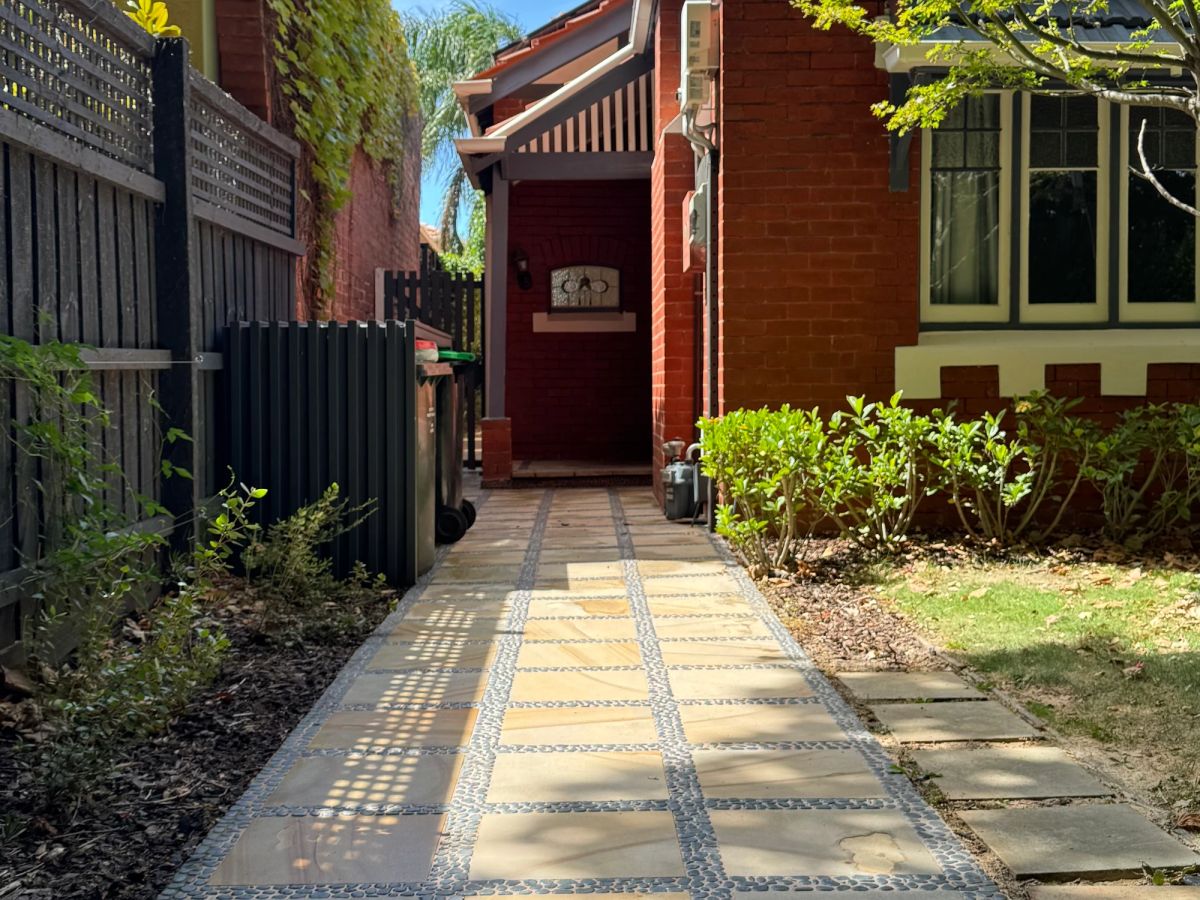
A driveway on Ruskin Street, Elwood, cleaned at the end of February. Driveways never soil evenly: the wheel tracks stay comparatively clean because tyres scrub them, while the centre strip and edges hold everything else.
Read case study