Exterior Cleaning in Hawthorn East
Mature elms and planes over slate, terracotta and interwar brick, from Auburn Road across to Tooronga. Soft washing on heritage render, insured crew, photos on every job.
- $20M public liability insurance
- Police-checked, WorkSafe compliant
- 5.0 from 170 Google reviews
- Not happy with the work? You don't pay

Hawthorn East has the least tree canopy in Boroondara. About 22 per cent of the land here sits under tree, against 25.7 across the municipality and roughly 31 next door in Canterbury. That reads like less work. It is not. The trees that are here are mature deciduous exotics planted down streets laid out before the First World War, and a plane or an elm drops its entire year in about six weeks.
The other thing to know is the roof stock. Slate and terracotta on the Edwardian and Federation houses, Marseille tile on the interwar brick, Colorbond on everything added since, and flat membrane on the newer rear additions. Four materials on one street, four sets of rules about what can carry weight and what cannot. Most of what we quote on here turns on that question before it turns on price.
Underneath both of those is the material the suburb is actually made of, and it came out of the ground a few streets from where it ended up.
The smallest canopy in Boroondara, and the heaviest six weeks
Canopy percentage is the wrong number to watch. What fills a gutter is species and timing, not cover. A native-dominated street sheds a little all year and the gutter keeps draining. A street of planes and elms sheds almost nothing for ten months and then everything at once, and the leaf is broad, flat and wet.
Broad leaf behaves differently once it lands. It lies flat against the gutter base instead of standing loose, it mats as it wets, and it finds the downpipe outlet and sits over it like a lid. Water then backs up along the run rather than spilling at one point, which is why the first sign is usually a stained fascia or a damp patch at the eaves rather than an obvious overflow.
The practical consequence is that one clean a year is the wrong schedule for this suburb. Gutter cleaning needs to leave them clear going into autumn and clear again once the drop has finished. Between those two, the storms that matter in Melbourne arrive in short heavy bursts, and a gutter that is three-quarters full has nowhere to put them.
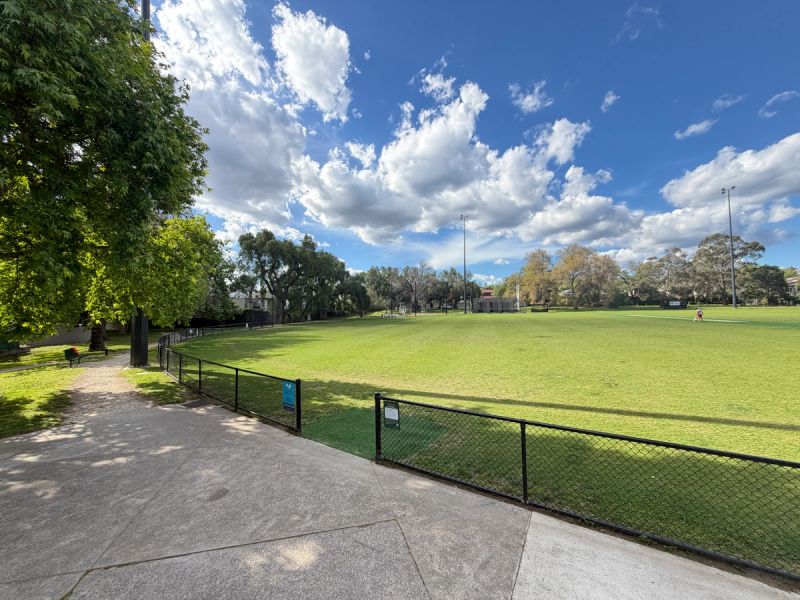
The hole this suburb came out of
Victoria Road Reserve was set aside in the 1920s, and the ground under it was clay pits working for the brickworks. In 1883 Augustus Fritsch and the Holzer brothers formed the Upper Hawthorn Brick Company here, digging the clay on the spot and firing it on the spot, and Holzer made brick from this pit. Three of the suburb's parks are holes that work left behind.
Brick fired locally in the 1880s and 1890s is not modern brick. It came out at lower and less even temperatures, so the face is softer and more porous than anything made today, and it was laid in lime mortar rather than cement.
Both of those rule out force. That fired face is the only weatherproofing the wall has, so stripping it with pressure turns a wall that shed water into one that drinks it, and lime mortar washes straight out of a joint under a pressure tip. So brick like this gets a solution, time to work and a low-pressure rinse. On a house that is house washing, and on a larger frontage facade cleaning.
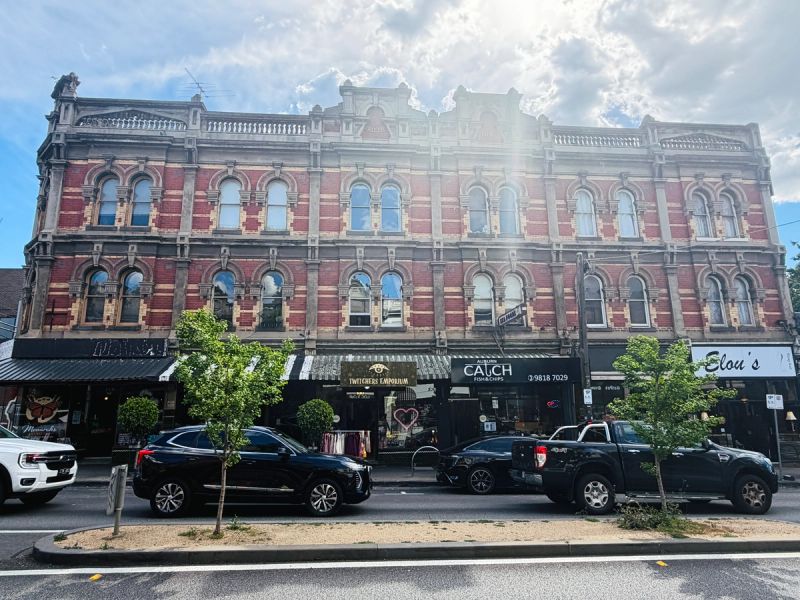
Auburn Road, above the awnings
The railway reached Auburn Road in 1882, the brick company started digging the year after, and the Auburn Hotel opened at number 85 in 1888. The strip went up inside a single decade, while those pits were still supplying, and most of it is standing today.
Across the road at number 99 is the other half of it. When the line was raised over Auburn Road the level crossing went, and the two-storey station that replaced it was built in 1916 to a design by Edward Ballard of the Victorian Railways. It has been on the Victorian Heritage Register since 1982.
On a strip like this everything below the awning gets looked after, because customers walk past it and shopkeepers touch it. Everything above the awning gets nothing at all. Parapets, upper windows, the band where the old signage sat and the brick itself go decades between washes, and that upper half is the part anyone actually sees from the far footpath.
It is also the hardest half to reach, with an awning in the way, a public footpath underneath and traffic beside it, so the quote turns on access and on what hours the work can happen rather than on area. The method does not change: frontages of this age are the same soft brick in the same lime mortar as the houses behind them, so it is a solution and a low-pressure rinse. That is facade cleaning, and the glass above the awning is commercial window cleaning.
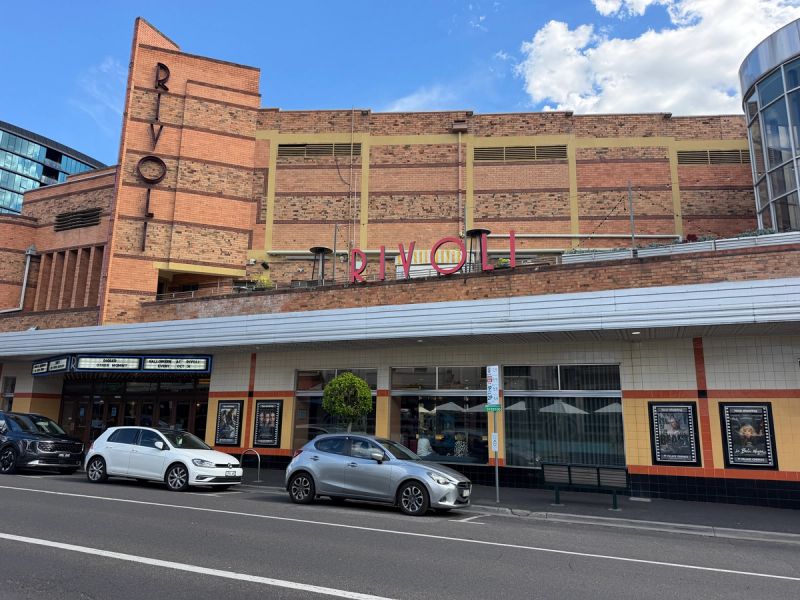
Render you cannot blast, slate you cannot walk on
The Rivoli on Camberwell Road is the landmark version of the suburb's other wall material. Taylor and Soilleux designed it, it opened in 1940, and it has been on the Victorian Heritage Register since 2005. Streamline Moderne means curves, flat planes and no brick face at all, and the same surface runs along the interwar streets behind it at house scale.
Render has its own limit, and it is the opposite of brick's. Brick fails by losing its face; render fails by losing its grip. A lot of the older fronts here are lime render over brick, deliberately softer than modern acrylic, and pressure strips it. Soft washing is not a gentler version of the same job, it is a different method: the surface is wetted, a cleaning solution does the work on the growth, and the rinse is low pressure. It takes longer and it leaves the render where it is.
Above both, a slate roof cannot be walked on. The slates are thin, brittle and fixed with nails that are often a century old, and the damage from a footstep does not show until it rains. The same goes for a pressure wand held close: slate is laminated stone, and water driven between the layers lifts them. Marseille tile is more forgiving underfoot but cracks under point load in exactly the same way terracotta does.
Access follows from all of it. On a terrace or a narrow Edwardian block there is often no way to reach a rear gutter except across a boundary or off the front, so the sensible order is to work out where the crew can stand before anything else is decided.
Services we run in Hawthorn East
The work we take on around Hawthorn East. Each card opens the full service page.
Gutter cleaning
Vacuumed, downpipes flushed and flow-tested, photo report the same day.
See detailsSolar panel cleaning
Panels washed with demineralised water, frames included, output stops dropping off.
See detailsRoof cleaning
Terracotta and Colorbond, moss and lichen treated to slow regrowth.
See detailsWindow cleaning
Glass, frames and tracks, inside and out, streak-free on the dry check.
See detailsPressure cleaning
Driveways, paving and concrete brought back without scarring the surface.
See detailsSoft washing
Render, cladding and painted surfaces washed at low pressure.
See detailsJobs we've finished in Hawthorn East
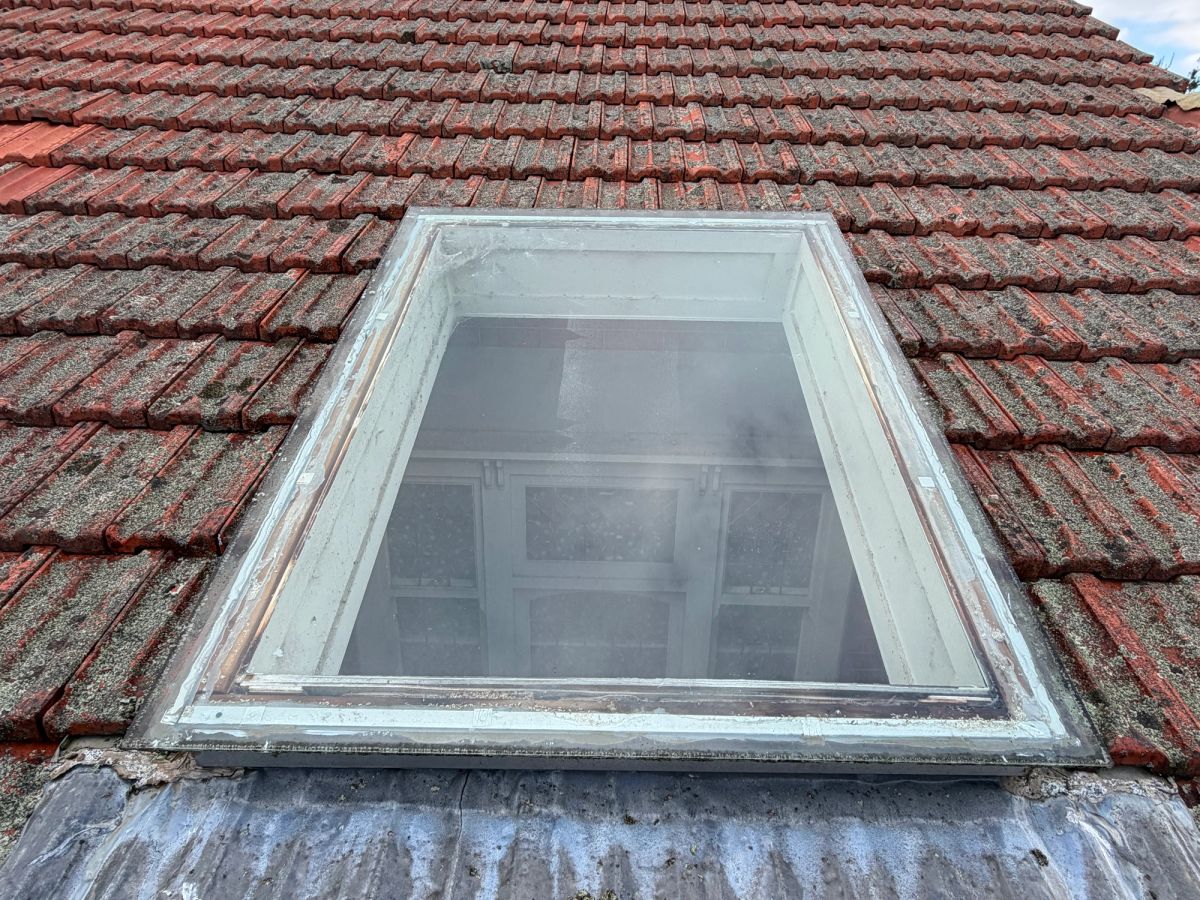
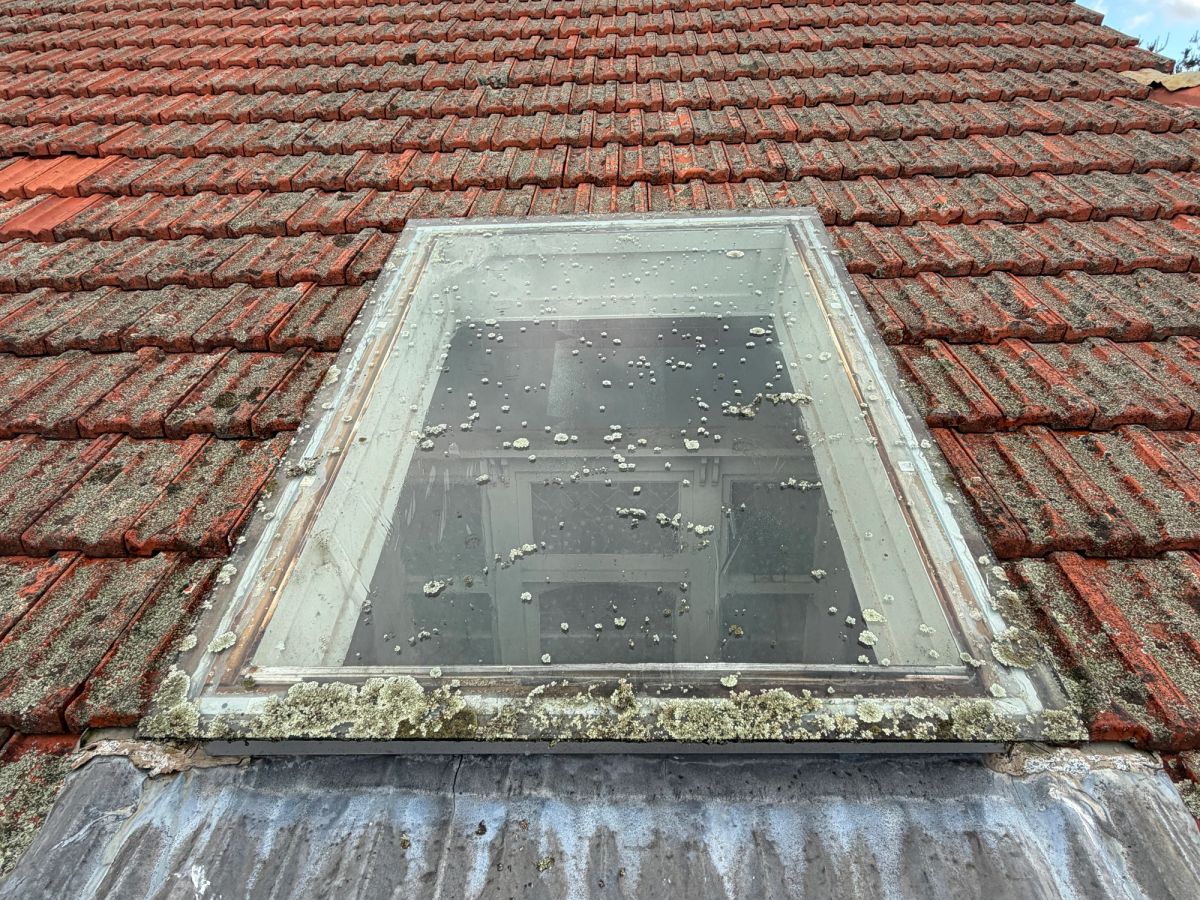
Windows and skylights on St Helen's Road, Hawthorn East, done in July. The third job at this property inside a year, after the paving and then the gutters.
Read case study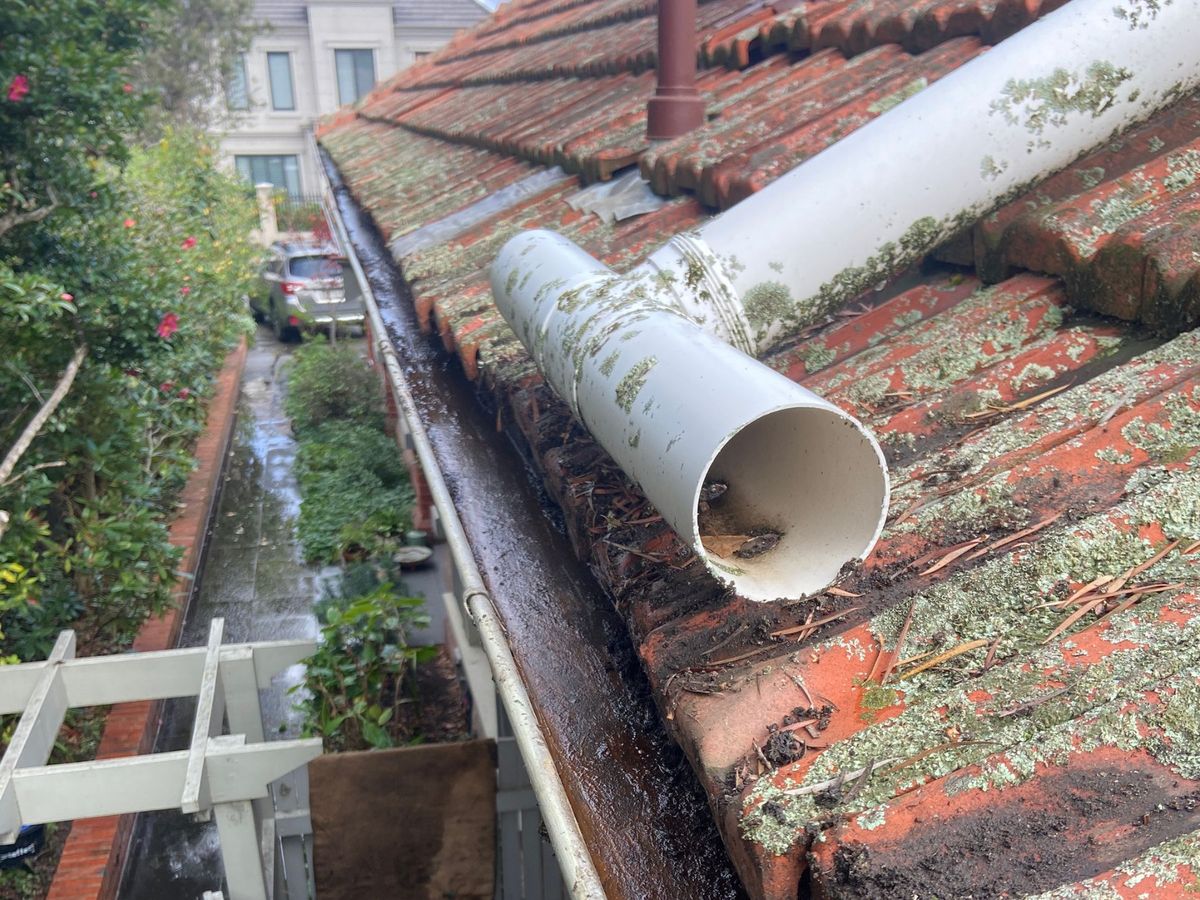
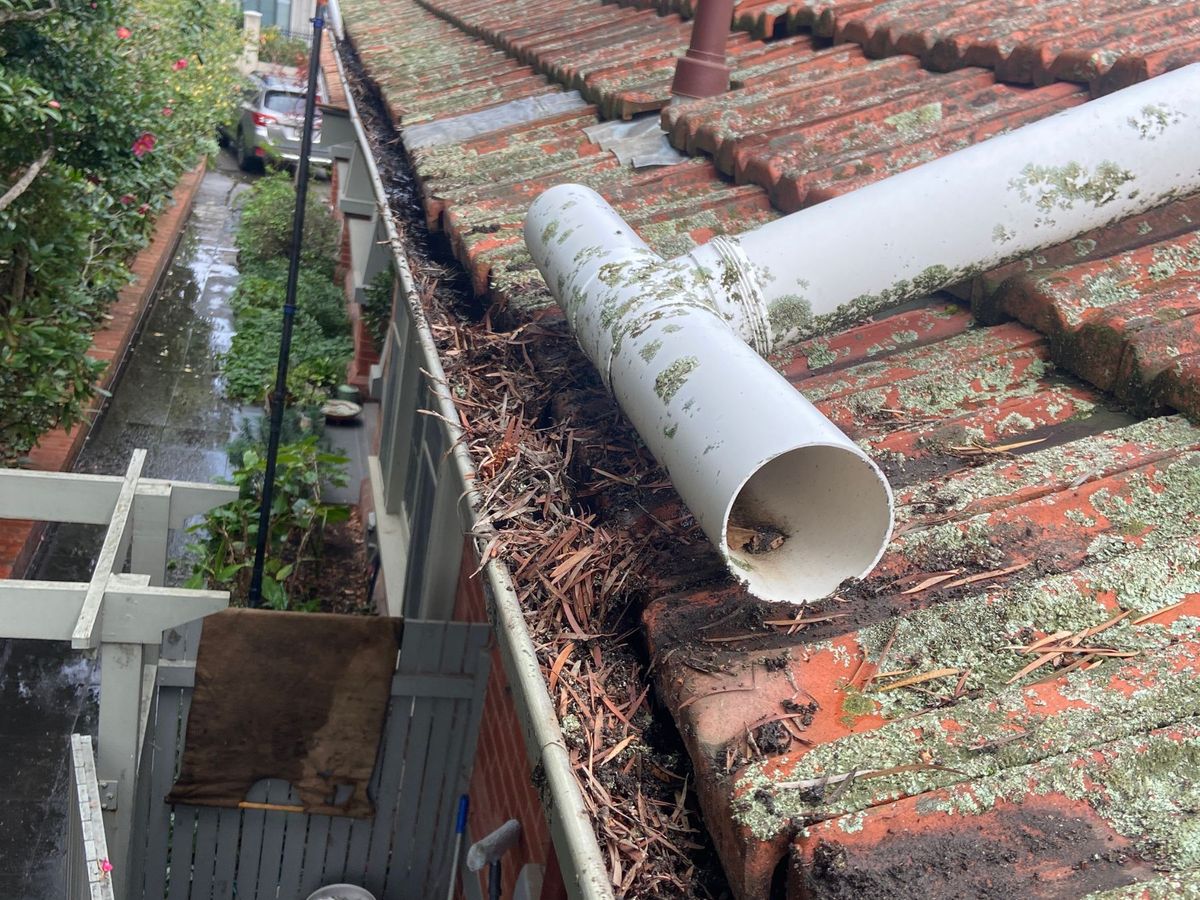
A large single-storey house on St Helen's Road, Hawthorn East, with roughly 120 metres of gutter under a terracotta tile roof. Cleared in late May.
Read case study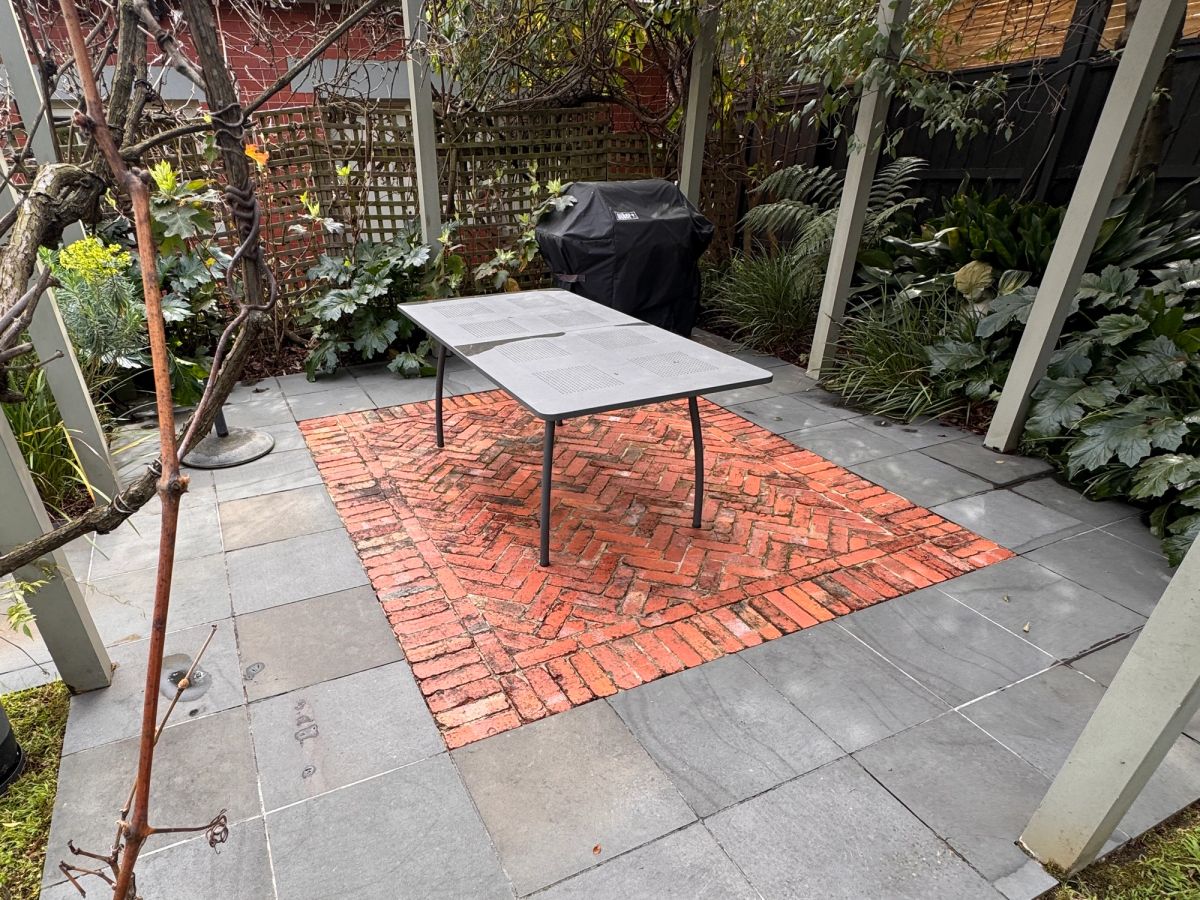
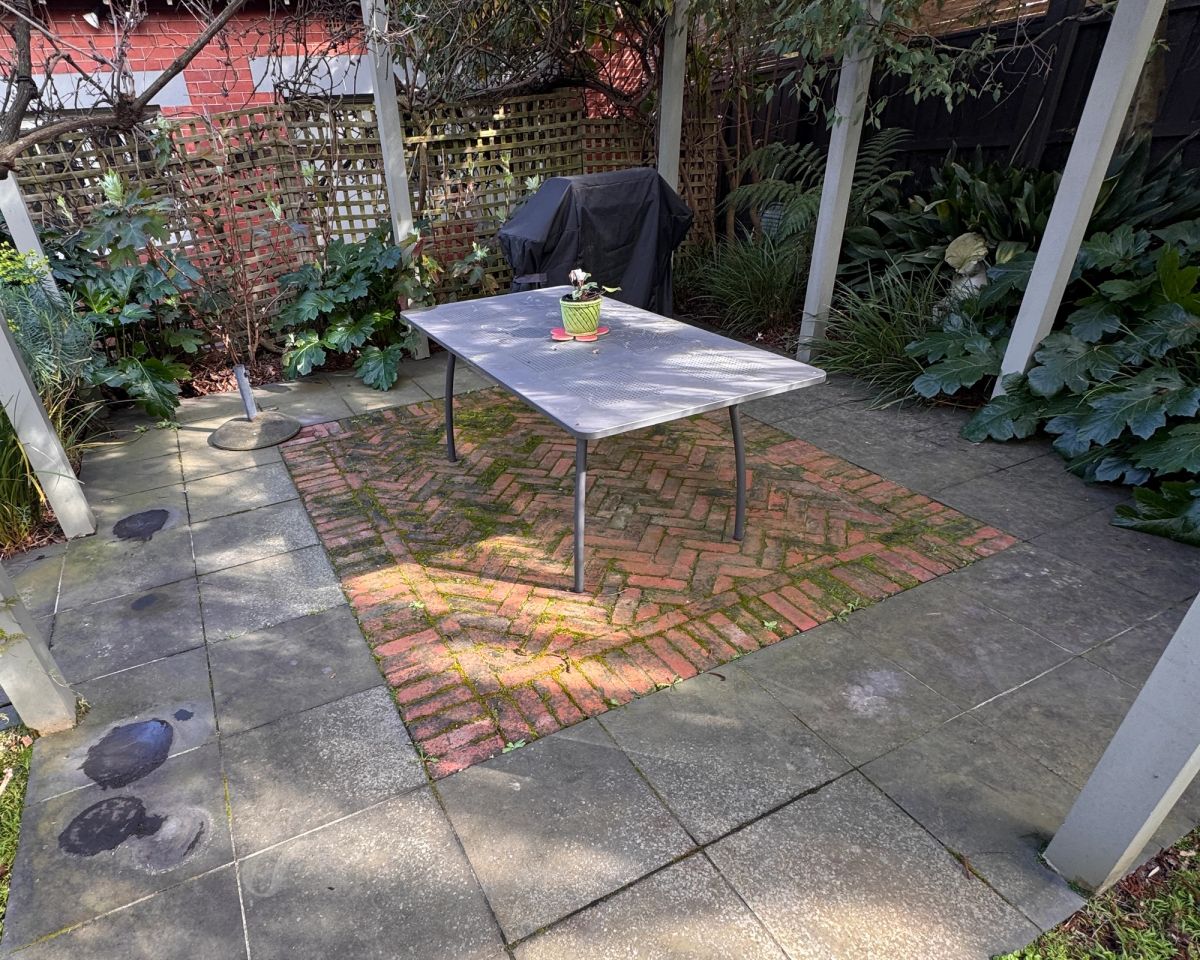
A whole backyard cleaned on St Helen's Road, Hawthorn East, in September, at the end of the winter growing season when paving looks worst.
Read case studyQuestions we get from owners here
My street looks less leafy than Canterbury. Why do my gutters still fill?+
Because cover and drop are different things. Hawthorn East sits around 22 per cent canopy against roughly 31 in Canterbury, but the trees here are mature deciduous exotics and they shed almost all of it inside six weeks. A smaller canopy of planes and elms puts more into a gutter in autumn than a larger canopy of natives does across a whole year.
Our place is 1890s brick. Can it be cleaned at all?+
Yes, and it is routine work. What it cannot take is pressure. Brick of that age was fired softer than anything made today and laid in lime mortar, so the face comes off and the joints wash out if it is treated like concrete. The method is a solution, time to let it work, and a low-pressure rinse. Anybody quoting a pressure clean on an 1890s wall is quoting the wrong job.
The roof is slate. Can it be cleaned at all?+
Yes, but not from on top of it and not with pressure. Slate is laminated stone, so a wand held close drives water between the layers and lifts them, and the nails holding century-old slates do not forgive a footstep. The work is done from the edge and from ladders or a platform, at low pressure, and anything that cannot be reached that way is quoted honestly as out of reach rather than attempted.
Do I need a permit to clean the front?+
Cleaning is not an alteration, so no. Repainting or rendering a facade in a heritage overlay usually is, and much of the older stock in Boroondara sits in one. If the plan is to clean now and repaint later, worth checking with Council before the second part rather than after.
When should gutters be booked here?+
Twice, around the drop rather than on a fixed date. Once before the main autumn fall so the gutters go into it empty, and once after it has finished so they go into winter clear. A single annual clean in summer leaves them loaded through the months that matter.
The paving is old bluestone. Will cleaning mark it?+
It can, if the pressure is wrong. Bluestone is hard but the joints between are not, and a narrow jet held too long cuts the mortar out and leaves a visible track. The surface is cleaned at a distance with a surface cleaner rather than a point jet, which keeps the pressure even and does not single out the joints.
Nearby suburbs we cover
Rated by Melbourne
Hawthorn East jobs are posted to our Google profile with before-and-after photos as they finish.